


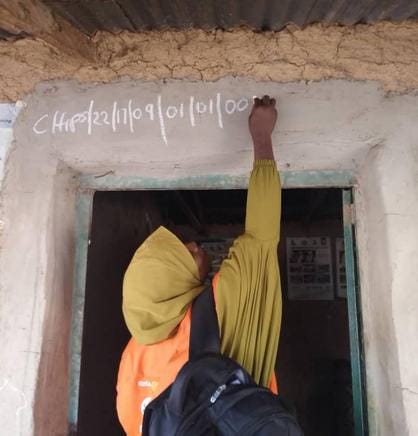
Rotary Health Community Challenge is expanding a pilot programme to cut child deaths from malaria, diarrhoea and pneumonia. The scheme has run for three years in Kebbi and Akwa Ibom States. It started in six local government areas in Kebbi. It now covers eleven. The organisation hopes to reach all twenty-one. The programme uses Integrated Community Case Management. Community health workers visit homes to treat children under five.
Nigeria has one of the world’s highest under-five mortality rates. Malaria, diarrhoea and pneumonia are leading killers. In 2023, the Nigeria Demographic and Health Survey reported 107 deaths per 1,000 live births. Many of these deaths are preventable with early treatment. Previous interventions have focused on hospitals and primary health centres. The RHCC model takes treatment to the household. It trains local health workers to diagnose and treat common childhood illnesses. The approach has worked in other African countries.
Dr Dele Balogun, the Country Lead, spoke to journalists in Argungu. He said the target is to reduce the incidence and deaths from these diseases among under-five children. “The result is very encouraging,” he said. He hopes to extend the scheme if foreign donors and local sponsors provide funds. The Rotary Foundation and PATH are funding the pilot.
Jeannine Galloway, Programme Manager at the Rotary Foundation, visited Kebbi to observe the programme. She met community health workers, supervisors and Ministry of Health officials. “The community workers were very knowledgeable and knew what they were doing,” she said. She praised the cooperation from families and traditional rulers. She said Rotarians in Nigeria are excited and want to continue supporting the work. She wants to extend it to all local government areas in Kebbi.
The team met the State Commissioner for Health, Alhaji Sama’ila Yakubu-Augie, and the Emir of Argungu, Alhaji Sama’ila Muhammad-Mera. Both pledged their commitment. The commissioner promised to increase procurement of non-malaria commodities. The emir said the project had reduced malaria spread and curbed child mortality.
Winners: Children under five, who gain access to treatment. Their families. Community health workers, who gain training and support. Kebbi and Akwa Ibom States, which gain better health outcomes. Rotary Foundation and PATH, which gain evidence of impact. Losers: Communities outside the pilot areas. The programme, if funding stops. The government, if it fails to provide counterpart funds. No serious losers if the expansion succeeds.
Bottom Line: The RHCC pilot is saving lives. It started small. It is growing. It needs sustained funding. Kebbi’s health commissioner has promised support. The emir backs it. The results are encouraging. Nigeria needs more programmes like this.