


The House of Representatives has called for the concession of eligible federal roads to private investors. It also wants to reintroduce toll gates on selected highways. Esosa Iyawe, Olusola Fatoba, Abdulmaleek Danga, and Uche Okonkwo sponsored the motion. Members debated it during Wednesday’s plenary. The aim is to address the country’s deteriorating road infrastructure.
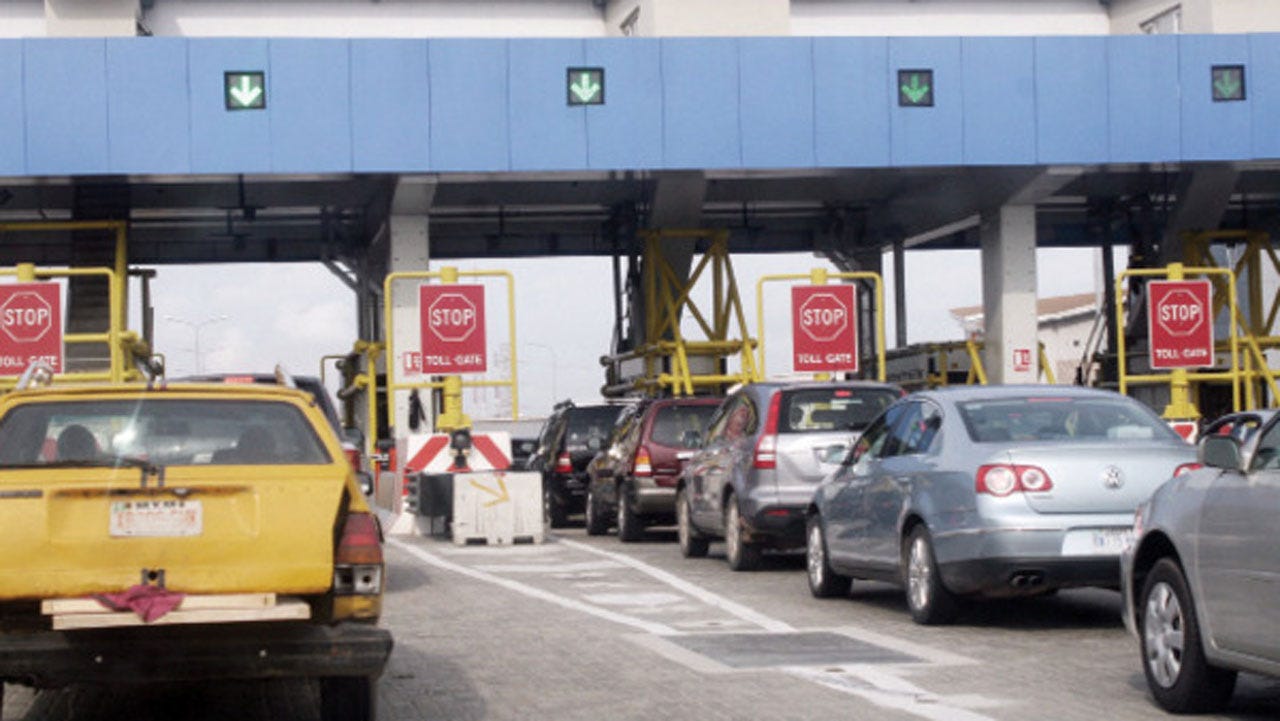
Nigeria’s federal road network is in poor condition. A 2023 assessment found that over 60 per cent of federal roads were in bad shape. Successive governments have relied on annual budgetary allocations for maintenance. Those allocations have not been enough. In 2019, the government announced plans to concession some highways. Implementation was slow. Toll gates were abolished in 2003. Their reintroduction has been debated for years. The current motion is the latest attempt to shift from budget dependence to private capital.
Iyawe said the poor condition of federal roads stems from prolonged neglect, inadequate maintenance, and heavy-duty vehicle pressure. He said the situation has led to avoidable accidents, loss of life, vehicle damage and higher transport costs. He highlighted the condition of roads in Edo State. The Benin-Lagos, Benin-Asaba, Benin-Warri and Benin-Okene corridors need urgent rehabilitation. He said the poor roads have affected commercial activity and increased the cost of transporting agricultural produce.
The motion proposed transparent Public-Private Partnership arrangements. Private investors would rehabilitate, operate and maintain the roads. Toll gates would allow them to recover their investment. “The reintroduction of properly regulated toll gates on selected rehabilitated federal highways could provide a sustainable mechanism for recovering private investment,” the motion stated. Iyawe said tolling could also create jobs and provide security points. He stressed that any arrangement must be transparent, affordable and technologically efficient. The House urged the Ministry of Works to develop a national framework for concessioning eligible roads. It prioritised roads requiring urgent rehabilitation and major economic corridors.
Winners: Private investors, who gain opportunities. Construction firms, who gain contracts. The Federal Government, which shifts costs. Commuters, if roads improve. Losers: Motorists, who face tolls. Taxpayers, if PPPs are poorly structured. The government, if concessions fail. States with roads not selected. Communities that rely on free roads for trade.
Bottom Line: The roads are bad. The budget is not enough. The House wants private money. Tolls will pay for it. The framework must be transparent. The roads must improve. Otherwise, motorists will pay tolls for the same potholes.