


The House of Representatives has advanced a bill to establish the National Authority for Renewable Energy. The bill passed second reading on Thursday. It seeks to transfer renewable energy functions from the Nigerian Electricity Regulatory Commission, the Rural Electrification Agency and the Rural Electrification Fund to the new authority. Afam Ogene, Chairman of the House Committee on Renewable Energy, sponsored the bill.
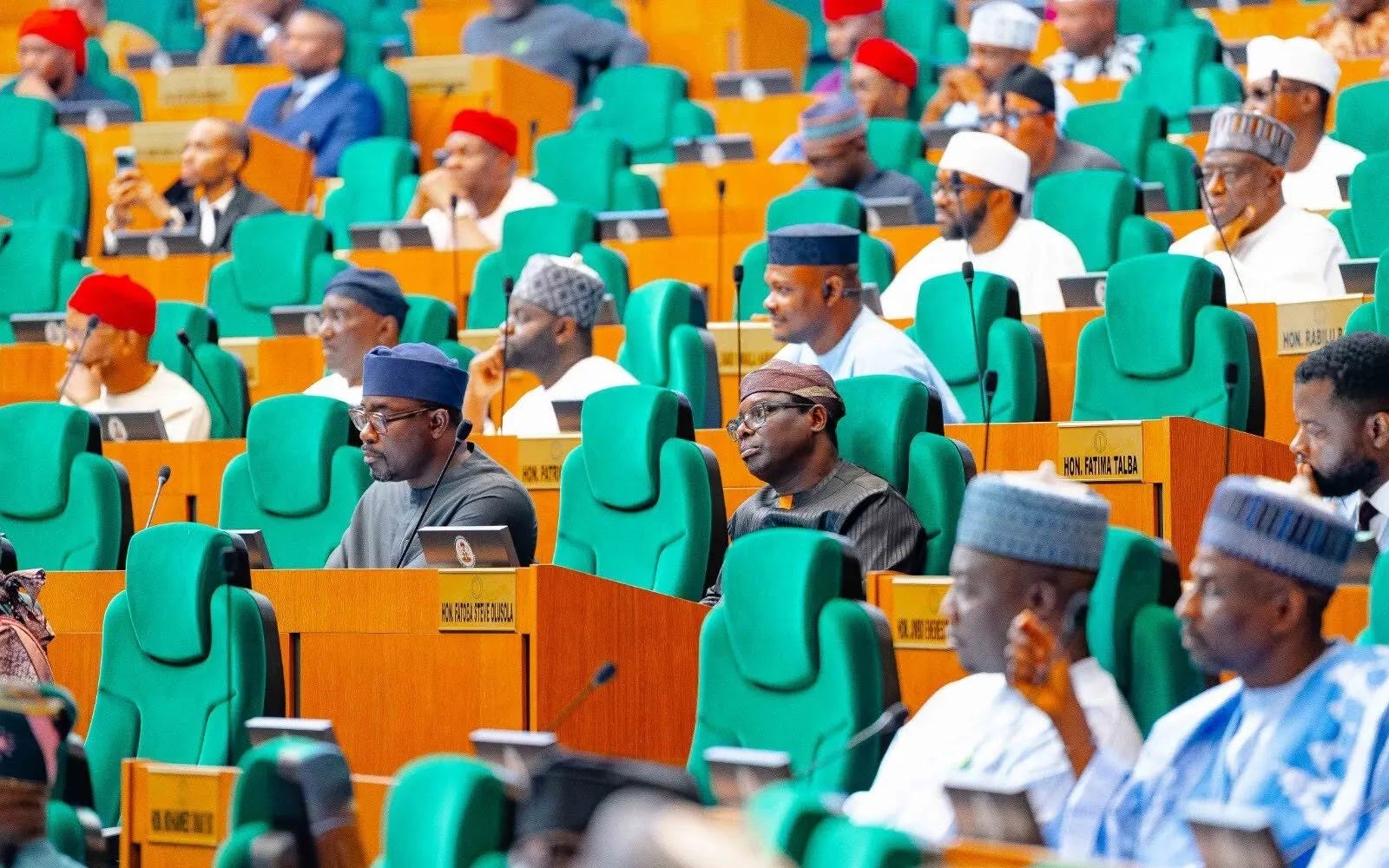
Nigeria’s power sector is fragmented. Multiple agencies oversee renewable energy. Coordination is weak. The Rural Electrification Agency promotes off-grid projects. NERC regulates the sector. The Rural Electrification Fund finances projects. The bill aims to consolidate these functions. Similar reforms have been attempted before. In 2023, a renewable energy bill stalled in the National Assembly. The current bill has broader support.
Ogene said the proposed authority would address overlapping responsibilities. NARE would regulate and supervise renewable energy activities. It would promote solar, wind, hydro, geothermal, biomass and hydrogen energy. It would promote mini-grid and off-grid systems in rural, unserved and underserved communities. The bill proposes that 40% of the annual funds under the Rural Electrification Fund be allocated to NARE. The authority would handle licensing, establish standards and provide dispute resolution mechanisms.
Winners: Renewable energy developers, who gain a dedicated regulator. Rural communities, which may gain power access. The government, which advances its energy transition agenda. NARE, which would be established. Losers: NERC, REA and REF, which lose functions. Critics who see duplication. Taxpayers, if the new agency adds cost without delivering.
Bottom Line: The House advanced a renewable energy bill. A new authority is proposed. Rural electrification is the goal. The bill needs more readings. Implementation is years away. The intention is good.