


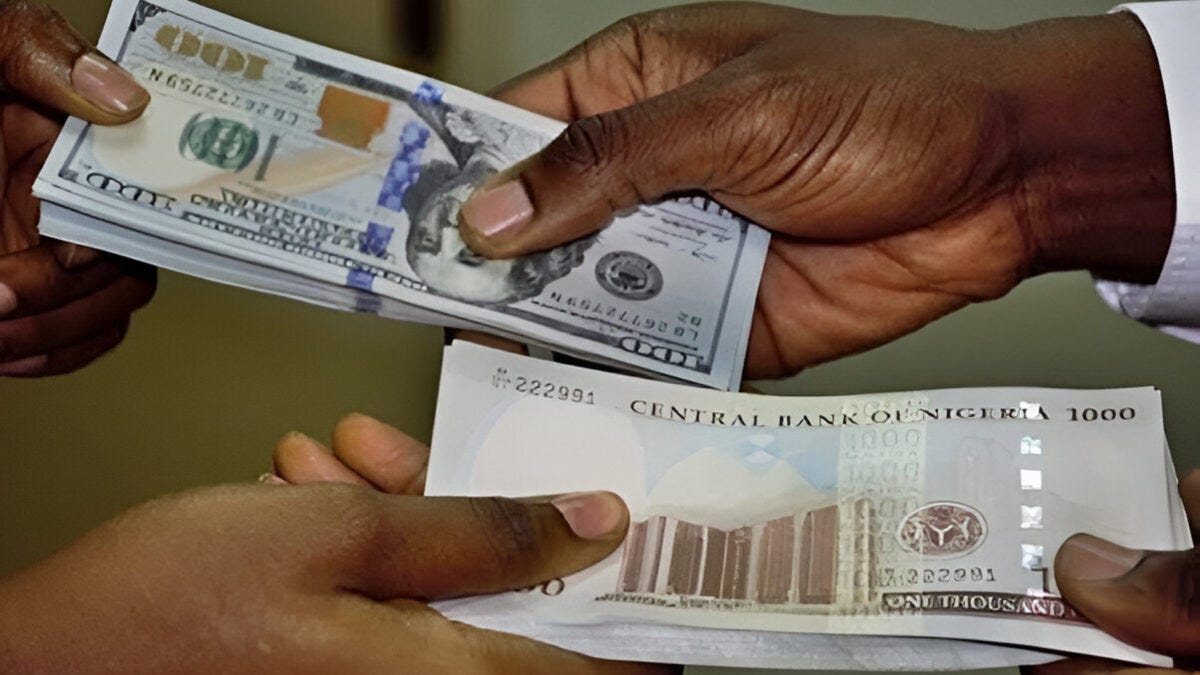
Foreign remittance inflows into Nigeria have reached their highest operational level in seven years. The Central Bank of Nigeria disclosed the figures. The increase was driven by sustained exchange rate convergence policies. It was also driven by increased use of formal diaspora transaction channels. The data shows that remittances remain a critical source of foreign exchange.
Nigeria’s diaspora remits over $20 billion annually. The flows are the largest source of foreign exchange after oil. For years, remittances went through informal channels. The naira’s multiple exchange rates created arbitrage. In 2023, the government floated the naira. It unified the exchange rate. That reduced the gap between official and parallel rates. Formal channels became more attractive. The CBN introduced incentives for remittance flows. It partnered with fintechs to reduce transfer costs. The current data reflects those policies.
The CBN said inflows reached a seven-year high. It did not disclose the exact figure. The increase follows steady naira appreciation. It also follows improved formal channels. Diaspora Nigerians are using banks and fintechs more. The cost of sending money has fallen. Transfer times have shortened. The CBN has licensed more international money transfer operators. It has also cracked down on illegal channels.
The data matters for the naira. Remittances support reserves. They fund household consumption. They also support investment. The naira’s stability depends on FX inflows. Oil revenues are volatile. Remittances are steadier. The CBN wants to deepen the formal channels further.
The risks remain. Global economic conditions affect diaspora incomes. A recession in the UK or US would reduce transfers. The naira’s stability could reverse. The CBN must sustain the policies that made formal channels attractive. If costs rise or delays return, flows could go informal again.
Winners: The CBN, which shows policy success. The Federal Government, which gains reserves. Diaspora families, who receive more naira. Banks and fintechs, which gain fees. The naira, which gains support. Losers: Informal remittance operators, who lose business. Currency speculators, who lose arbitrage. Nigerians without diaspora connections, who see no direct benefit. The economy, if flows reverse.
Bottom Line: Remittances hit a seven-year high. Exchange rate convergence worked. Formal channels are cheaper. The naira is stable. The diaspora is the backbone. Nigeria must keep the policies that made this possible.