


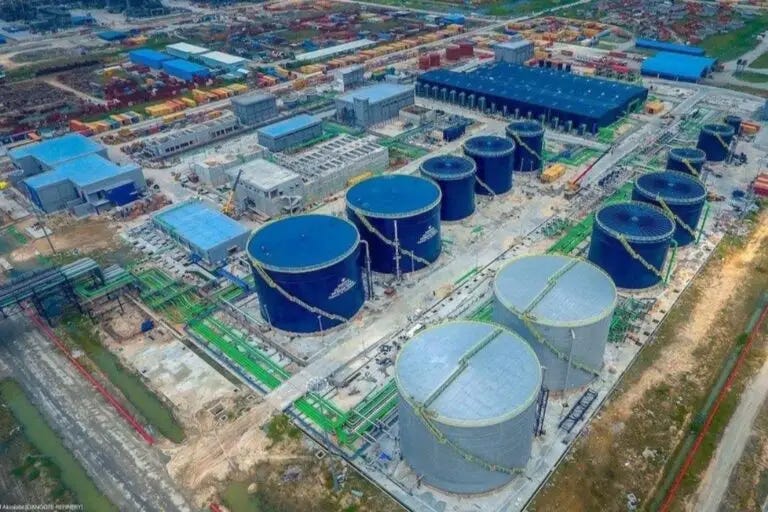
Domestic refineries received more than 127 million barrels of Nigerian crude oil and condensate between January and September 2026. The Nigerian Upstream Petroleum Regulatory Commission disclosed the figure. The Commission Chief Executive, Oritsemeyiwa Eyesan, spoke at the OTL Africa Downstream Energy Week 2026 in Lagos on Monday, 26 October. She was represented by the Assistant Director of Operations, Prosper Omonedo.
Nigeria has historically exported crude and imported refined products. The Petroleum Industry Act 2021 introduced the Domestic Crude Supply Obligation. Section 109 requires crude to be allocated to local refineries before export. Implementation has been uneven. Commercial disputes between producers and refiners disrupted supplies in the first quarter of 2026. The Dangote refinery has changed the domestic refining landscape. It processes 650,000 barrels per day. Domestic refining is now a national priority.
Eyesan said deliveries improved after the commission intervened. Refineries received 53.7 million barrels in the second quarter and 45.1 million in the third. That represented 97.4% and 76.2% performance respectively. The first quarter implied about 28 million barrels. The commission is consulting stakeholders on a domestic crude swap framework. Under the proposal, a refiner could receive crude from the nearest suitable production or export point. That could cut $3 to $4 from the cost of every barrel by reducing transportation distances.
On production, Nigeria averaged 1.717 million barrels per day of crude and condensate in September. That was a 2.34% increase over August. Crude alone averaged 1.53 million barrels per day. It was the fifth consecutive month the industry met or exceeded its OPEC quota. Eyesan attributed the improvement to better asset integrity, improved security of evacuation infrastructure and stronger collaboration with operators.
Winners: Domestic refiners, who gain feedstock. The Dangote refinery, which gains supply. The NUPRC, which shows regulatory capacity. The treasury, which gains from local refining. Consumers, if supply stabilises. Losers: Export-focused producers, who lose allocation flexibility. Importers of refined products, who lose market share. The first quarter’s disrupted supply, which hurt refiners. Taxpayers, if the swap framework is poorly designed.
Bottom Line: One hundred and twenty-seven million barrels went to local refineries. Supply improved after the first quarter. Production met quota for five months. The swap framework could cut costs. The trajectory is positive. Delivery remains uneven.