


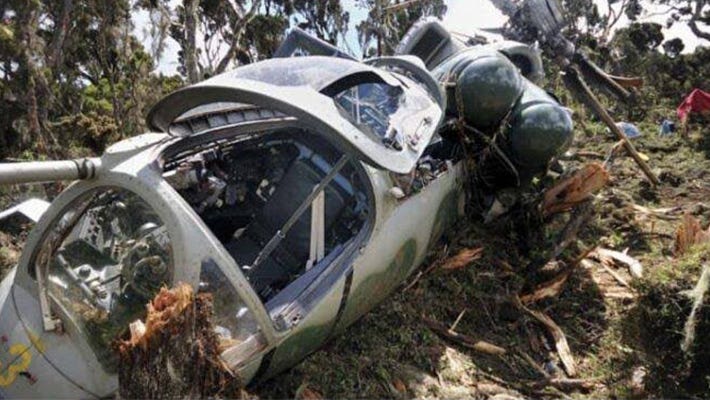
Recovery teams have retrieved key structural components of the Nigerian Air Force aircraft that crashed in Ondo State. The teams included Nigerian Air Force personnel, Navy divers and the Nigerian Safety Investigation Bureau. The components will advance technical crash investigations. The aircraft crashed on 6 October in Igbokoda, Ilaje Local Government Area. Thirty-two people were on board. All died.
Military air crashes have recurred in Nigeria. In 2019, a NAF helicopter crashed in Katsina. In 2021, an aircraft went down in Kaduna. In 2023, a trainer aircraft crashed in Makurdi. Recovery operations in swampy terrain are difficult. In 2012, the Dana Air crash site in Lagos required weeks of recovery. Divers and cranes worked under pressure. The Igbokoda site presents similar challenges. The area is riverine. Access is limited.
The recovery teams focused on structural components. These include the flight data recorder and cockpit voice recorder. The black boxes are critical to the investigation. They record flight parameters and cockpit audio. The NSIB will analyse the data. The Air Force will use the findings to prevent future crashes. The operation also recovered engines, wings and fuselage sections. The wreckage was scattered across the swamp. Divers searched underwater. Heavy equipment lifted debris.
Winners: The investigation, which gains evidence. The NSIB, which advances its work. The Air Force, if the cause is identified. Losers: The 32 deceased and their families. The Air Force, whose safety record faces scrutiny. The recovery teams, who work in difficult conditions.
Bottom Line: Recovery teams retrieved the black boxes. The investigation continues. The families await answers. The crash must be explained. The Air Force must learn from it.