


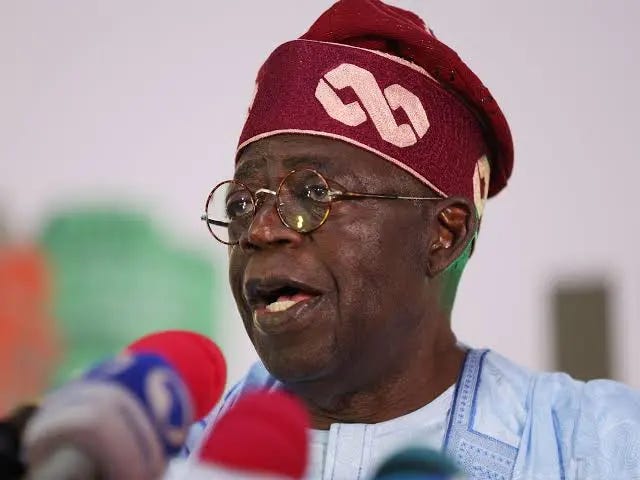
The Presidency on Tuesday rejected a claim by The Economist that Nigerians dislike President Bola Tinubu, describing the assertion as “intellectual fraud” and insisting that the President’s economic overhaul is unstoppable.
The statement, signed by Special Adviser on Media and Public Communications Sunday Dare, said the foreign publication’s position “smells of opposition and is riddled with inconsistencies.” It argued that it had become a predictable ritual for foreign publications operating from “comfortable, insulated drawing rooms” to view Nigeria through a “cracked, distorted lens.”
“They love to peddle the lazy, hollow fiction that ‘Nigerians hate President Bola Ahmed Tinubu,’ packaging localised administrative growing pains into neat, uniform narratives of national rejection,” Dare said. “This is not merely analytical laziness; it is an intellectual fraud.”
This mirrors the long history of friction between Nigerian governments and foreign media. In 2015, The Economist published a cover story titled “The man who would be king” about Muhammadu Buhari. In 2019, it ran another on “Nigeria’s flawed election.” Each time, the Presidency responded with a defence of its record and a critique of foreign condescension. The pattern is familiar because the underlying tension is structural. Foreign publications frame Nigerian politics through the lens of liberal democracy and market economics. Nigerian governments frame their records through the lens of national sovereignty and reform imperatives.
The substance of the disagreement is about baseline. The Presidency argues that Tinubu inherited a broken economy on the precipice of sovereign bankruptcy. It cites the fuel subsidy regime as a financial leak that fed a “parasitic portfolio oil mafia” while mortgaging future generations. Debt service-to-revenue ratios hovered near 95 per cent. Multiple foreign exchange windows bred corruption and choked legitimate enterprise.
The Presidency’s defence rests on the claim that the reforms, however painful, were necessary. The Economist’s claim rests on the observation that Nigerians are experiencing the pain without yet seeing the gains. Both can be true. The question is which narrative voters will believe when they go to the polls in 2027.
Winners and Losers
Winners: The Presidency, which gets to define the terms of its own defence. Foreign publications, which gain attention from the controversy. Opposition parties, which can cite The Economist’s critique as external validation of their position.
Losers: Nigerian voters, who are left to choose between two narratives that both claim to speak for them. The Presidency’s credibility, which is tested not by the strength of its rhetoric but by the price of food and fuel at the market.
Bottom Line: A statement cannot lower inflation or create jobs. The Presidency has rejected The Economist’s claim. The test is whether Nigerians agree with the publication or the government. That answer comes at the ballot box, not in a press release.