


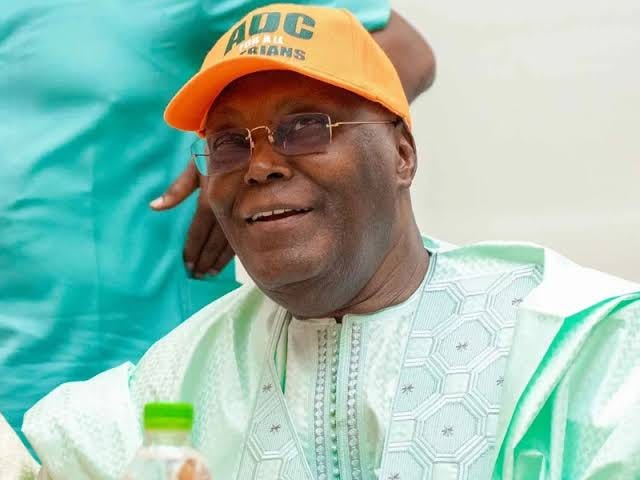
The Presidency issued a statement criticising former Vice President Atiku Abubakar over conflicting statements on petrol subsidies. The administration challenged Atiku to provide clear details and cost projections for his proposed “targeted subsidy” plan rather than engaging in political posturing.
The statement comes amid a renewed national debate over the fuel subsidy, which the government removed in 2023. The Presidency defended the removal, citing the scale of the problem it inherited. In 2022, Nigeria spent about $10 billion on fuel subsidies, a system the World Bank warned was consuming resources that could otherwise have gone into education, healthcare, infrastructure and social protection.
The Federal Government’s Reform Scorecard disclosed that subsidy savings mobilised ₦15.8 trillion in resources for the federation between June 2023 and December 2025. Of this amount, approximately ₦5.43 trillion accrued to the federal government, ₦6.52 trillion to states and ₦3.88 trillion to local governments. The Presidency argued that restoring the subsidy would instantly return Nigeria to the economic conditions of 2022, creating the same fiscal pressures, distortions, scarcity and incentives for arbitrage that made the old system unsustainable.
The winners: the Presidency, which has defended its position; and the Nigerian public, who are demanding clarity. The losers: Atiku, who has been challenged to provide details; and the Nigerian economy, which faces uncertainty over the debate.
Bottom Line: The Presidency has dared Atiku to put up or shut up. The subsidy debate is far from over. The question is whether the opposition can present a credible alternative or just continue to criticise.