


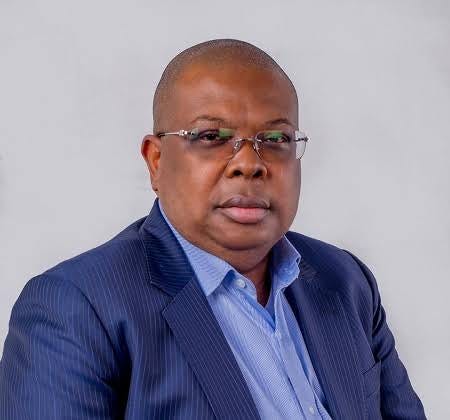
Minister of Power Joseph Olasukanmi Tegbe represented President Bola Tinubu at the third Lam Adesina Annual Lecture Series in Oyo State. The event celebrated the late former governor’s legacy of people-centred governance. Tegbe used the platform to reiterate that the federal government has no plans to increase electricity tariffs. The setting matters. Lam Adesina was a politician who built his reputation on accessibility and welfare. Invoking his name while promising not to raise tariffs is a careful piece of political theatre.
The promise is welcome. It is also expensive. Nigeria’s power sector struggles with liquidity. Generation companies and distribution companies carry debts that tariffs do not cover. The government has subsidised electricity for years. Each promise not to raise tariffs transfers the cost to taxpayers or to the power companies themselves. The historical echo is the 2016 tariff review, which was announced, reversed and announced again. Political pressure has repeatedly delayed cost-reflective tariffs. The result is a sector that cannot attract investment because investors cannot recover their costs.
The mechanics matter. A tariff freeze helps households and small businesses in the short term. It also signals to investors that prices are political, not economic. That deters the private capital needed to fix transmission and distribution. The winners are consumers facing high inflation and businesses trying to control costs. The losers are power companies that cannot recover costs, investors who need predictable pricing, and the long-term goal of a functional grid.
Winners: Households and small businesses facing high inflation; the presidency, which gains a popular talking point.
Losers: Power companies that cannot recover costs; investors who need predictable pricing; the long-term goal of a functional grid.
Bottom Line: A tariff freeze is popular. Without a subsidy plan, it is a promise that shifts costs to the next government.