


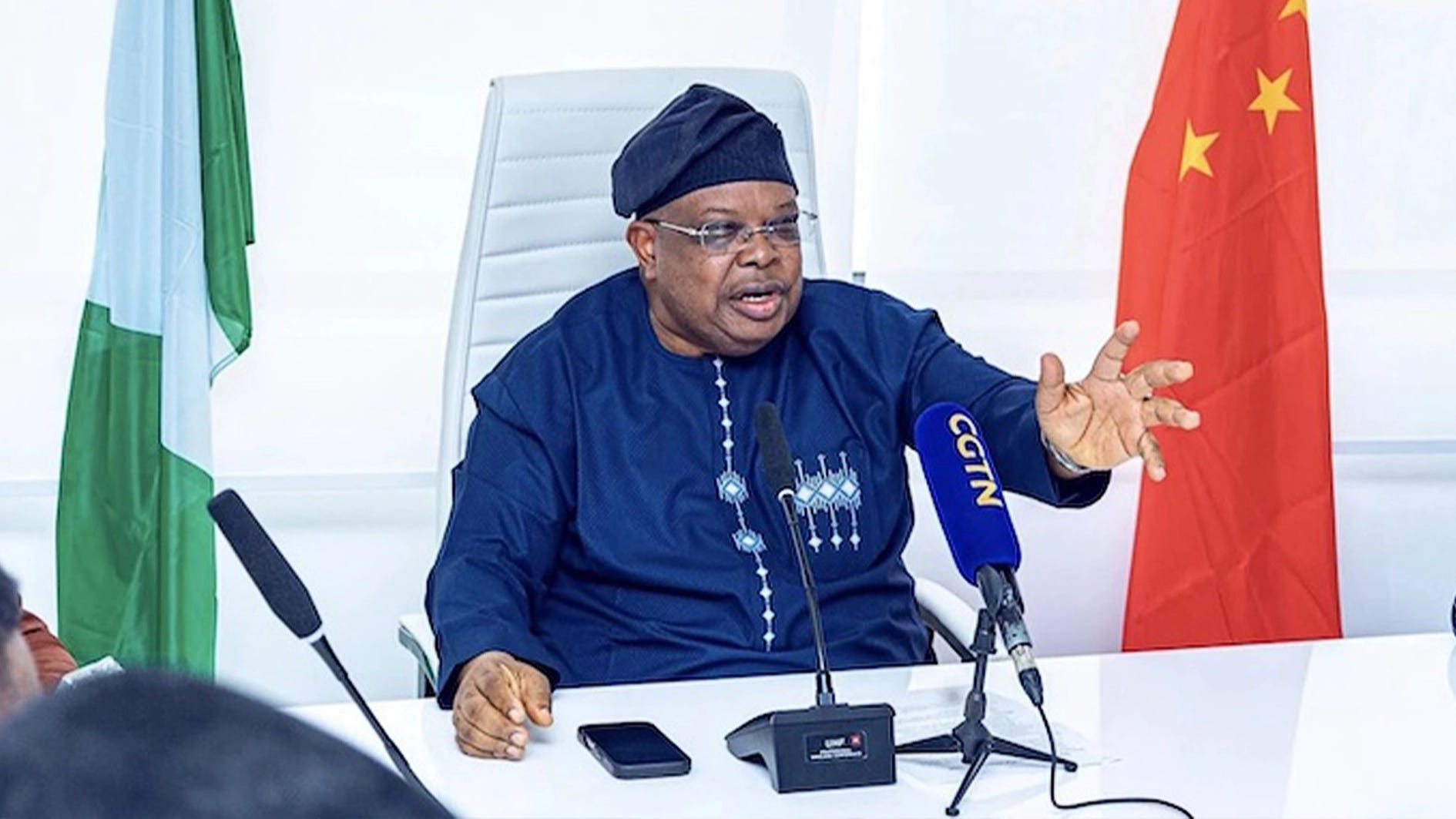
The Minister of Power, Joseph Tegbe, has promised that electricity supply will begin to improve within 48 to 72 hours. The assurance came amid prolonged blackouts affecting Lagos, Ogun and the Federal Capital Territory.
Tegbe attributed the outages to scheduled maintenance at Egbin Power Station, inadequate gas supply to thermal power plants, and sabotage of critical transmission lines. Egbin contributes about 16 per cent of electricity on the national grid. Reduced output forced grid operators to ration available power through load shedding.
The minister said affected generating units would return to service in phases, with the first units expected within three days. The Ministry of Power is engaging operators to address gas constraints and repair damaged transmission infrastructure.
This mirrors the pattern of power sector assurances that have defined Nigerian electricity governance for two decades. Ministers announce improvements within days, weeks or months. The improvements arrive partially, temporarily or not at all. In March 2026, then-Minister Adebayo Adelabu promised improvement within two weeks. In June 2026, Tegbe said he would not promise 24-hour supply but assured visible improvements.
The immediate dispute is about blame. The Transmission Company of Nigeria rejected Ikeja Electric’s claim that grid instability caused the outages. TCN said 68 per cent of the interruptions on Ikeja Electric’s feeders were due to load shedding from insufficient generation. It blamed 26 per cent on Ikeja Electric’s non-compliance with allocated power. The remaining six per cent was TCN’s own maintenance and transmission limitations.
That breakdown matters. It means the problem is not one failure but three: insufficient generation, distribution non-compliance and transmission constraints. A 72-hour promise cannot fix all three. It can only restore the units that are currently offline.
The human stakes are about households and businesses. A factory that loses power for three days loses production. A hospital that loses power risks patients. A household that loses power loses food in the fridge and sleep in the heat. The 72-hour clock started on Friday. Nigerians will count.
Winners and Losers
Winners: Tegbe, who gains a platform to demonstrate responsiveness. The Ministry of Power, which can point to restoration efforts. Ikeja Electric, if the restored supply meets its Band A obligations.
Losers: Consumers in Lagos, Ogun and the FCT, who face extended outages. TCN and Ikeja Electric, whose public blame-trading undermines confidence in the sector. The broader power sector, which faces another cycle of promises without structural reform.
Bottom Line: A 72-hour promise is a test. If supply improves, the minister gains credibility. If it does not, the promise becomes another data point in the long record of unmet assurances. The clock is running.