


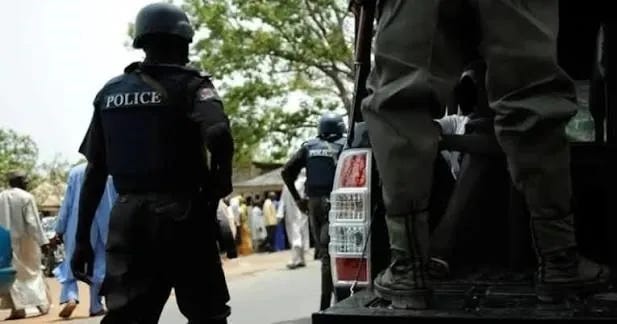
Inspector General of Police Tunji Disu has cancelled leave for officers on election security duty. Commissioners and senior officers must remain in their commands until the electoral process ends. He warned officers against being used by politicians. He also ordered more personnel, vehicles and air support to communities hit by bandit attacks.
The same report said police raided “phone farms” that used hundreds of phones and bots to fake online political chatter ahead of the 2027 election. It gave no figures on arrests or locations. Separately, the Senate asked the Nigerian Communications Commission to investigate the four major mobile network operators over airtime deducted for failed calls. It also asked the regulator to require automatic refunds.
This mirrors the 2019 and 2023 elections, when security agencies were accused of intimidating opposition supporters and when social media manipulation was widespread. The phone farms are a newer phenomenon. They industrialise propaganda. Hundreds of phones can generate thousands of posts. The police raids suggest that the tactic is now part of the election economy.
The mechanics matter. Cancelling leave signals seriousness. It also concentrates power in commanders who may be susceptible to political pressure. The warning against politicians is necessary. The winners are the police, if they prevent violence; the public, if phone farms are shut down; and the Senate, which shows consumer concern. The losers are bandits facing more pressure; political actors who rely on fake chatter; and telecom operators facing scrutiny.
Winners: The police, if they prevent violence; the public, if phone farms are shut down; the Senate.
Losers: Bandits; political actors relying on fake chatter; telecom operators facing scrutiny.
Bottom Line: Cancelling leave and raiding phone farms are signals. The test is whether the police stay neutral when politicians test them.