


The United Niger Delta Congress has called on the federal government to extend pipeline surveillance contracts, citing improved crude oil production. Julius Obi, the group’s national president, said crude oil deliveries through the Trans Niger Pipeline to the Bonny terminal increased from 3% in August 2022 to 98% in September 2026. He said 2,049 illegal pipeline connections had been remediated and 1,010 illegal refinery clusters destroyed under Pipeline Infrastructure Nigeria Limited’s operations, which cover 215 host communities and employ more than 35,600 surveillance guards .
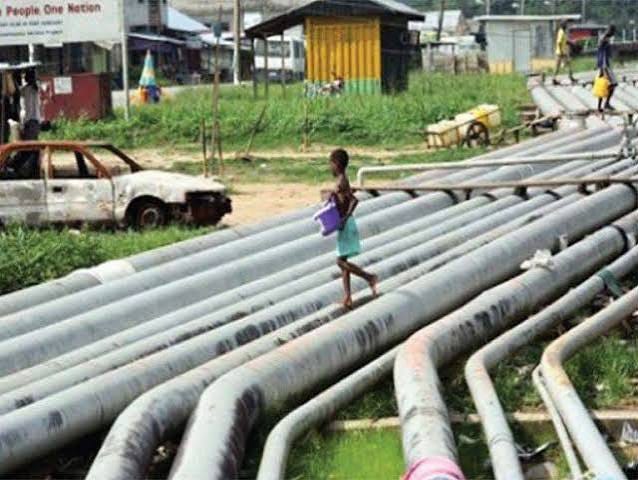
The mechanics of the claim are worth stating plainly. A surveillance contract that produces a 98% delivery rate is a security success by any measure. It is also a very large contract, and the group making the case for extension is a Niger Delta advocacy organisation whose constituents benefit from the employment it provides. The House of Representatives committee on host communities dismissed a petition against PINL in September, citing the petitioner’s failure to appear . A separate court application to suspend the contract was rejected, though the substantive suit continues .
This echoes the long fight over pipeline surveillance contracts in the Niger Delta, from the Tompolo contract controversy to the recurring allegations of inflated fees and political patronage. It also mirrors the broader problem of security contracts that work but remain contested because the money is large and the oversight is thin.
The winners are PINL, which gets a public endorsement, and the 35,600 surveillance guards whose jobs depend on the contract. The losers are the petitioners who could not substantiate their case, and the communities that benefit from the pipeline but not from the contract.
Bottom Line: A pipeline that delivers 98% of its crude is a success. A contract that nobody can audit is a scandal waiting to happen.