


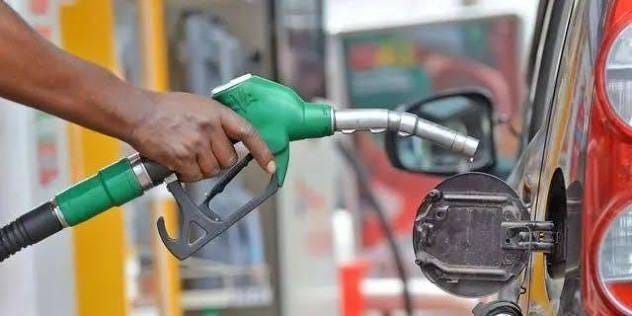
Major petroleum distribution hubs across key coastal hubs reported a sharp rise in depot gantry prices up to ₦1,290 per litre amid global crude oil market shifts. The increase follows a surge in global crude prices driven by geopolitical tensions in the Middle East.
The rise in depot prices is a concern for Nigerian consumers. The increase will likely be passed on to motorists, leading to higher fuel prices. The government has assured that it is monitoring the situation, but the rise in global crude prices is beyond its control. The increase in fuel prices will feed into inflation and add to the cost of living for Nigerians.
For a commercial driver in Lagos, the rise in petrol prices means higher operating costs, which will likely be passed on to passengers. For a family in Kano, it means higher transport costs and more expensive food.
The winners: oil marketers, who will benefit from higher prices; and the Nigerian government, which collects taxes on fuel sales. The losers: Nigerian consumers, who face higher fuel prices; and the Nigerian economy, which suffers from higher inflation.
Bottom Line: Petrol prices at the depot have hit ₦1,290. Global crude prices are driving the increase. The question is whether the government will intervene or let the market determine prices.