


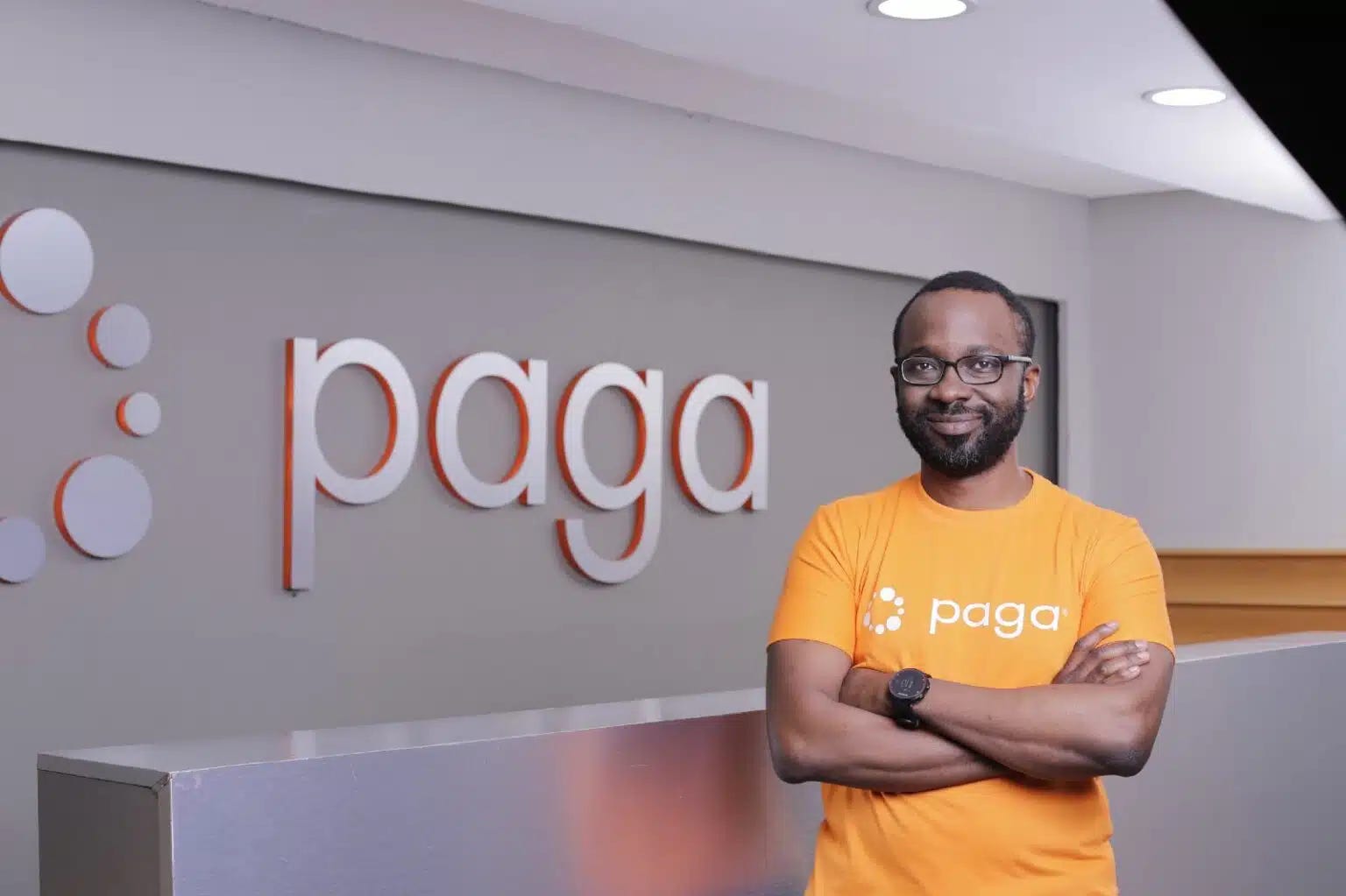
Paga, one of Africa’s oldest fintech companies, is pushing deeper into wealth products. It has partnered with blockchain infrastructure startup TBook to allow users to invest in tokenised real-world assets.
The partnership connects Paga’s payment and compliance infrastructure with TBook’s marketplace for tokenised assets built on the Sui blockchain. Customers and businesses will gain access to investments ranging from fixed-income products to tokenised private assets.
This is not Paga’s first wealth product. In 2020, it partnered with Wealth.ng to enable users to invest across agriculture, real estate and fixed income, offering returns of up to 16% annually. But this time, Paga is targeting on-chain finance.
Tokenised assets convert ownership of traditional financial instruments into digital tokens traded on blockchain networks. In practice, a Nigerian retail investor could buy a fraction of a commercial property portfolio overseas, or gain exposure to private credit or government securities, without the high minimum investment thresholds that have traditionally kept such assets out of reach.
The market has grown rapidly. Tokenised RWAs now hold about $10 billion in total market capitalisation, growing tenfold from $957.3 million at the start of 2024. The total value on blockchain networks has reached $31.59 billion. The broader asset tokenisation industry was worth $2.08 trillion in 2025 and could reach $18.74 trillion by 2031.
“My desire is to see Africans participate fully in global commerce and grow their wealth,” said Tayo Oviosu, Paga’s Group CEO. “This partnership gives everyday Africans access to investment-grade opportunities that have historically been out of reach.”
Paga Engine, its payments infrastructure business, processed about $12 billion in transaction value in 2025. It can now distribute tokenised investment products alongside its existing financial services. The company is positioning itself to power the financial products that other businesses offer, not just the ones it provides directly.
The winners: Paga’s millions of users, who gain access to previously inaccessible assets. Paga itself, which deepens its infrastructure moat. The losers: traditional asset managers who cannot match the low barriers to entry. And perhaps the users themselves, if the tokenised assets are not properly understood or regulated.
Bottom Line: Paga is betting that tokenisation will democratise investment for Nigerians. The bet is plausible. The risk is real.