


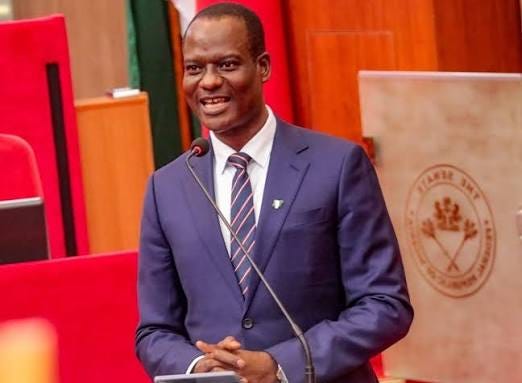
The Minister of Finance and Coordinating Minister of the Economy, Taiwo Oyedele, has led senior financial administrators to Thailand. The delegation presented Nigeria’s fiscal reform trajectory to international lenders. It also presented foreign exchange stabilisation policies and debt sustainability frameworks. The engagement aims to deepen investor confidence.
Nigeria has pursued fiscal reforms since 2023. The government removed the petrol subsidy. It floated the naira. It cleared foreign exchange backlogs. It introduced tax reform bills. These measures stabilised the economy. Fitch Ratings recently revised Nigeria’s outlook from stable to positive. The current account surplus is projected at 6% of GDP in 2026. The World Bank raised Nigeria’s 2026 growth projection to 4.3%. The delegation is building on that momentum.
Oyedele presented the reform trajectory to lenders. He outlined the foreign exchange stabilisation policies. He explained the debt sustainability framework. The lenders include multilateral institutions and private creditors. The engagement is part of Nigeria’s outreach to global capital markets. The government wants cheaper borrowing. It also wants long-term investment. The presentation included data on reserves, inflation and growth. Reserves are at $55 billion. Inflation eased to 15.39% in August. GDP grew 4.43% in the second quarter.
The delegation also discussed the 2027 budget. The government plans to reduce the deficit. It wants to increase non-oil revenue. The lenders asked about election-year spending. The government said it would maintain fiscal discipline.
Winners: The Federal Government, which gains credibility. The Ministry of Finance, which shows transparency. Investors, who gain clarity. Lenders, who gain data. Losers: Critics who dismissed the reforms. Countries that failed to reform. Nigerians who see no improvement in daily life. The government, if the reforms stall.
Bottom Line: Oyedele took Nigeria’s reform story to Thailand. The numbers are improving. Lenders are listening. The challenge is sustaining the trajectory. Election-year spending is the risk. Fiscal discipline is the test.