


More than 100 Malian soldiers were killed in September attacks by Jama’at Nusrat al-Islam wal Muslimin (JNIM). The group is al Qaeda-linked. Two security and diplomatic sources confirmed the figure. The September 10 attack on a military camp in Dioura killed between 120 and 130 soldiers. More than 100 others were taken hostage. JNIM claimed responsibility and said it killed 150 soldiers. The Malian army confirmed casualties but did not provide a figure.
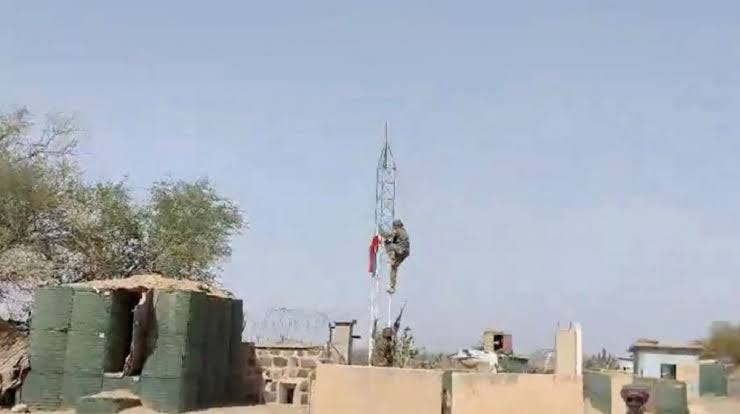
Mali has faced Islamist insurgency since 2012. A military government took power in 2021. It partnered with Russia’s Africa Corps after expelling French forces. The junta promised security. Instead, attacks have increased. JNIM and Islamic State affiliates control large rural areas. The army holds cities and towns. The countryside is contested. Mali’s situation mirrors neighbours Burkina Faso and Niger. All three are run by military juntas. All three face rising jihadist violence. The pattern is consistent. Coups do not defeat insurgencies. They change who loses.
JNIM also attacked Sevare airport. The group claimed it killed 33 pro-government forces. A local resident said the airport has been shelled for six consecutive nights. Sevare is a strategic military base. It hosts operations against jihadists in central Mali. Repeated shelling shows the group can strike at will. The army cannot protect its own installations. The attacks add to the security challenges facing the military government. Russia’s Africa Corps has provided support. It has not turned the tide. JNIM is emboldened. It is expanding operations. It is also publicising its victories. That is propaganda. It is also reality. The Malian army is losing. The government is losing credibility. Civilians are losing their lives. The international community is watching. It has limited options. Sanctions have not worked. Dialogue has not worked. Military support has not worked. Mali’s crisis is deepening. There is no easy exit.
Winners: JNIM, which gains propaganda and territory. Islamist networks, which recruit from displaced populations. Arms traffickers, who supply both sides. Russia’s Africa Corps, which avoids accountability for failures. Losers: The 100-plus dead soldiers and their families. The hostages taken. Malian civilians, who face both jihadist rule and army reprisals. The military government, whose legitimacy erodes. Russia, whose Africa Corps reputation suffers. The Sahel region, which faces spillover.
Bottom Line: Mali’s army lost over 100 soldiers in one month. JNIM is not hiding. It is shelling airports. Russia’s support has not changed the trajectory. The junta promised security. It delivered more war. Mali’s crisis is not contained. It is expanding.