


Nigeria’s opposition parties are navigating growing internal crises, leadership disagreements and factional divisions ahead of the 2027 general elections. The rifts are raising questions about the future of the opposition. Political observers are debating whether these divisions will cripple the opposition or create space for a credible third force to challenge the ruling All Progressives Congress.
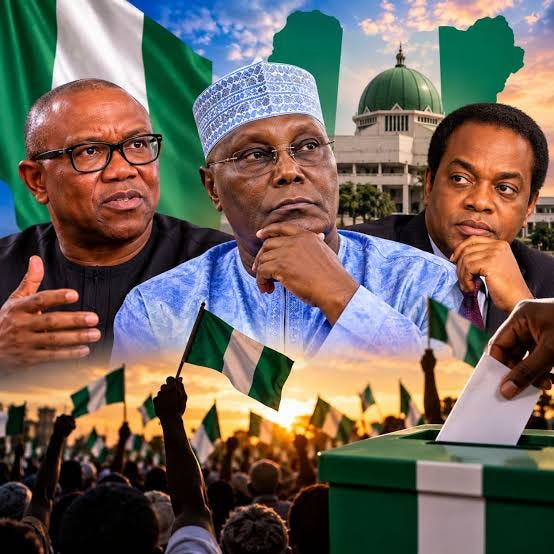
The mechanics matter. An opposition alliance requires a single candidate, a shared funding structure and a division of offices. Each is a point of friction. The African Democratic Congress has faced a court judgment that sacked its National Working Committee, jeopardising its chances. The Peoples Democratic Party is managing internal disputes over candidates. The Labour Party and other parties have their own leadership quarrels. Meanwhile, Atiku Abubakar and Governor Seyi Makinde are exploring a coalition. The negotiations are real, but so are the divisions.
This mirrors the 2019 and 2023 cycles, when opposition coalitions collapsed under competing ambitions. It also echoes the 2014 merger that produced the APC, which succeeded because its leaders agreed on a single candidate and shared power. The difference now is that the incumbent controls the machinery, and the opposition has less time and less unity.
The winners are the APC, which benefits from a divided opposition; smaller parties that can position themselves as kingmakers; and political brokers who profit from negotiations. The losers are the major opposition parties, which risk losing relevance; voters who want an alternative; and the third-force movement, which struggles to coalesce without a clear leader.
Winners: The APC; smaller parties; political brokers. Losers: Major opposition parties; voters seeking an alternative; the third-force movement.
Bottom Line: Opposition unity is not a slogan. It is a negotiation over who leads and who gets what. Until that is settled, the APC remains the favourite.