


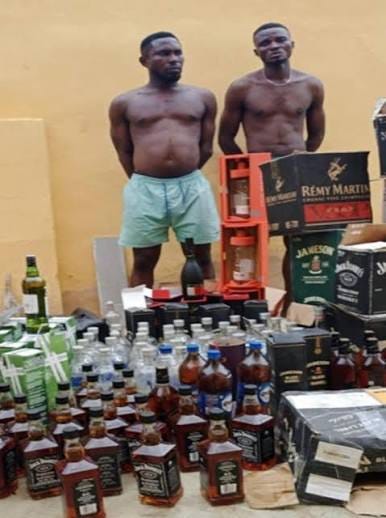
29 people are dead in Ondo State. Sixty suspected cases have been recorded. Three people remain in hospital. Twenty-seven are under observation. The state’s commissioner for health, Banji Ajaka, said on Friday night that the pattern of illness suggests exposure to a toxic alcoholic substance. Laboratory confirmation is pending. Blood and urine samples from 36 patients have been sent for analysis. Several suspects are in custody.
The affected communities are Orita Odigbo, Araromi-Obu, Newtown, Odole, Okele and Oniparaga in Odigbo Local Government Area. Ninety-five per cent of the victims are males aged between 16 and 55. Symptoms include headache, body pain, weakness, visual disturbance, difficulty breathing and altered consciousness. Some patients deteriorated rapidly.
The state government has imposed a temporary ban on the production and sale of locally brewed alcoholic and herbal beverages in the affected area. That is a reactive measure. The deeper problem is regulatory.
Nigeria’s informal alcohol market is vast and largely unregulated. Locally brewed gin, herbal mixtures and palm wine move through networks that no agency monitors consistently. The National Agency for Food and Drug Administration and Control regulates packaged products. It does not inspect every batch of home-brewed alcohol sold in open markets. The Standards Organisation of Nigeria sets standards. It does not enforce them at the village level.
This is not the first mass poisoning from unregulated alcohol. In 2015, no fewer than 60 people died in Rivers State after consuming a locally brewed gin. In 2020, similar incidents were reported in Kano and Jigawa. Each time, the response follows the same pattern: temporary bans, promises of investigation, then a quiet return to business as usual. The regulatory gap remains.
The victims are overwhelmingly young men. They are the same demographic that bears the brunt of Nigeria’s unemployment crisis, and the same group that informal alcohol sellers target with cheap products. The state’s response, while necessary, does not address the demand-side economics that make illicit alcohol attractive.
Winners: Licensed alcohol producers and importers, who may see a short-term bump as consumers shift to regulated brands. Security agencies, which gain arrest statistics.
Losers: Families of the deceased. Local brewers and sellers, who lose income under the ban. Consumers, who face higher prices if supply tightens. The state government, which will be judged on whether this happens again.
Bottom Line: Twenty-nine deaths and a temporary ban. The regulation gap that caused them remains open.