


Former Deputy Senate President Ovie Omo-Agege has defended his controversial “rig and die” slogan, insisting that it was directed at politicians planning to manipulate the 2027 general election.
Omo-Agege, who is contesting the Delta Central senatorial seat under the Nigeria Democratic Congress (NDC), made the clarification on Monday, November 23, during an appearance on Channels Television’s Politics Today.
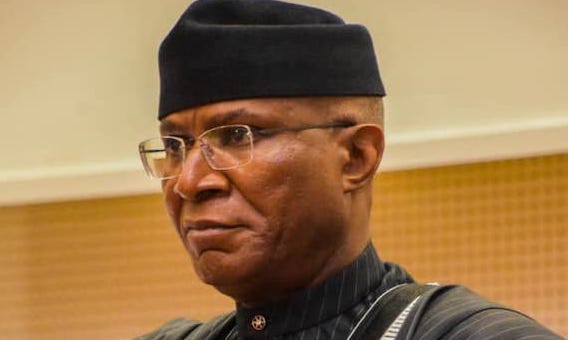
He said the statement was not intended to threaten any individual but to warn those who might attempt to compromise the electoral process.
“The rig and die slogan you just alluded to, nobody is being threatened there. We didn’t threaten anybody,” he said.
According to him, the message was simply that Nigerians would resist electoral manipulation and demand a free, fair and credible election.
“To the extent that people have no plans to rig the election, they have nothing to worry about. It’s only those who have plans to rig the election that should have sleepless nights,” he added.
HOW THE CONTROVERSY STARTED
The controversy began on October 23 when Omo-Agege issued a warning during a political gathering in Delta State.
The former senator, who previously represented Delta Central, declared that anyone caught attempting to rig the 2027 election could be killed.
“Anybody who rigs the election on that day, we will kill him! If you don’t value your life, come and rig the election,” he told supporters.
He also said politicians were stealing the future of Nigerians through electoral manipulation and warned that his supporters would not accept another compromised election.
The statement generated criticism because of its direct reference to killing and its potential to encourage political violence.
Omo-Agege’s latest explanation comes amid growing concerns about the language political actors are using ahead of the 2027 elections.
INEC, KEYAMO RAISE CONCERNS
The Independent National Electoral Commission (INEC) has previously warned that the slogan could expose innocent Nigerians to electoral violence.
On November 10, Mohammed Haruna, chairman of INEC’s Information and Voter Education Committee, cautioned politicians against inflammatory statements capable of endangering presiding officers, party agents, election observers and other electoral workers.
He urged political actors to resolve disagreements through lawful channels, including INEC, security agencies and the courts.
Aviation and Aerospace Development Minister Festus Keyamo has also criticised the slogan, asking those promoting it to withdraw the rhetoric publicly and apologise.
Keyamo argued that political leaders should not encourage supporters to kill other citizens under any circumstances. He maintained that law enforcement agencies, not political supporters, have the authority to deal with electoral offenders.
His intervention followed an attack on Omo-Agege’s campaign team in Delta State on Monday, November 23.
According to the former senator’s media adviser, Sunny Areh, armed men opened fire on the campaign entourage in the Uduere area while Omo-Agege was addressing supporters.
The attack reportedly killed six people, while several others sustained injuries. Omo-Agege escaped unharmed.
Keyamo condemned the incident and called on security agencies to identify and prosecute those responsible.
The controversy also reflects the growing political tension in Delta State, where Omo-Agege is challenging incumbent Senator Ede Dafinone for the Delta Central seat in 2027.
The immediate losers are the victims of political violence, their families and residents who risk becoming casualties of electoral rivalry. Political parties also stand to lose public confidence if their campaigns become associated with threats and intimidation.
Omo-Agege’s demand for credible elections is legitimate. However, the language used to communicate that demand matters. A campaign against electoral fraud cannot convincingly defend democracy while normalising threats of extrajudicial violence.
Bottom Line: Omo-Agege says his warning is meant for electoral offenders, not ordinary Nigerians. But with the 2027 election still months away and political violence already claiming lives, the responsibility of political leaders is to discourage intimidation, not give it a slogan.