


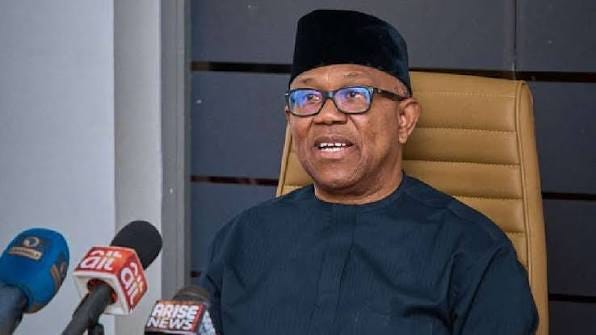
Peter Obi has called on Nigerian editors to investigate politicians. The Nigeria Democratic Congress (NDC) presidential candidate spoke in Enugu. He said editors should vet qualifications and public records before politicians present themselves for office.
Nigerian elections have been marred by certificate scandals. In 2019, candidates faced questions about their academic credentials. In 2023, similar issues arose. The courts have ruled on some cases. Others remain unresolved. The media plays a role in vetting. Investigative journalism has exposed fraud. But resources are limited. Editors face pressure. Political actors resist scrutiny.
Obi’s call is direct. He wants editors to do the work. He said politicians should be scrutinised. He said their records should be examined. He said voters deserve information. His message is aimed at the media. It is also aimed at the public.
The timing matters. The 2027 election is approaching. Candidates are emerging. Their backgrounds will be examined. Obi wants the media to lead. He knows that scrutiny can be selective. He wants it to be universal.
The NDC benefits from scrutiny of opponents. Obi’s call is not neutral. It serves his campaign. But the principle is sound. Voters need information. The media is the vehicle.
The challenge is capacity. Nigerian media outlets are stretched. Investigative units are few. Ownership affects coverage. Some editors avoid controversial stories. Others lack resources. Obi’s call requires investment. It also requires courage.
Winners: Voters, who gain information. The media, if it rises to the challenge. Obi, who gains visibility. The NDC, which benefits from scrutiny of rivals. Losers: Politicians with questionable records. Media outlets that avoid scrutiny. The electoral process, if vetting fails. No serious losers.
Bottom Line: Obi wants editors to vet politicians. The call is fair. The media must investigate. Voters need facts. The 2027 election will test the media’s capacity.