


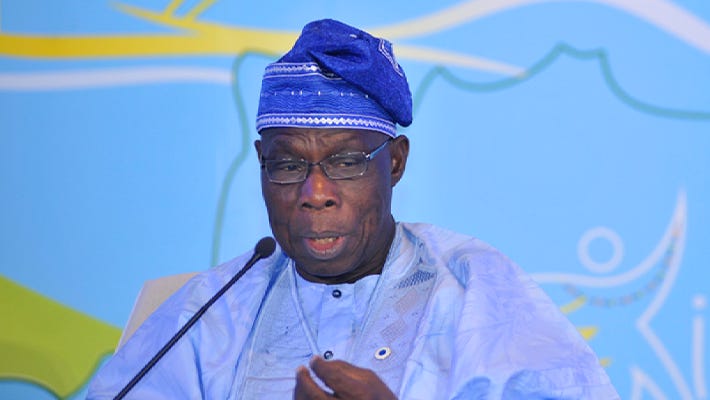
Former President Olusegun Obasanjo has called on victims’ families and survivors of the 1967 Asaba Massacre to embrace forgiveness and reconciliation. He spoke at the 59th memorial anniversary of the atrocity. He said forgiveness would prevent future national tragedies. The Asagba of Asaba, Professor Epiphany Azinge, responded. He affirmed that the community forgives but cannot forget. He said true closure requires an official public apology from a sitting Nigerian president.
The Asaba Massacre occurred in October 1967. Federal troops entered Asaba in pursuit of Biafran forces. Hundreds of men and boys were rounded up and killed. Estimates range from 500 to over 1,000. The killings were part of a broader pattern of atrocities during the 30-month civil war. Successive federal governments have not formally acknowledged the massacre. Delta State has recognised it. A memorial centre is planned to preserve victims’ names and testimonies.
Azinge noted the irony in Obasanjo’s peace plea. He pointed to the Odi massacre during Obasanjo’s own presidency. In 1999, federal troops destroyed Odi in Bayelsa State. Hundreds were killed. The community was razed. Obasanjo has never formally apologised for Odi. Azinge made the comparison delicately but clearly. He said forgiveness must be mutual and accountable.
Azinge publicly proclaimed forgiveness for the family of Civil War officer Ibrahim Taiwo. The apology came from Taiwo’s son, retired Major-General Ahmed Taiwo. It was an emotional moment. The Asagba accepted it on behalf of the community. He said the gesture showed that reconciliation is possible when individuals take responsibility.
Delta State Governor Sheriff Oborevwori condemned the slaughter of unarmed civilians. He pledged government support for a national memorial centre. Organisers announced plans for the 60th anniversary. They want to keep the tragedy’s memory alive globally. The memorial centre will preserve records for future generations.
Winners: The Asaba community, which gains recognition. Oborevwori, who shows support. The Taiwo family, which gains forgiveness. Historians, who gain official validation. Losers: Victims’ families, if the presidential apology is not issued. Obasanjo, whose Odi record is invoked. The Federal Government, if it fails to act. Those who deny the massacre.
Bottom Line: Obasanjo asked for forgiveness. The Asagba granted it to one family. He still wants a presidential apology. The memorial centre will preserve the truth. Reconciliation is a process. It requires accountability. The 60th anniversary is next year. The Federal Government should act before then.