


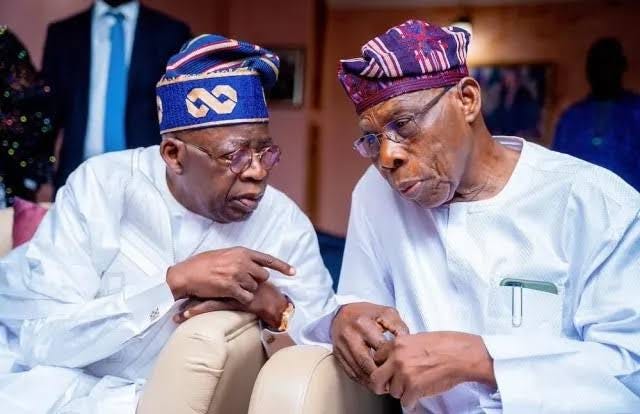
Former President Olusegun Obasanjo has criticised President Bola Tinubu’s fiscal policies. He spoke at the Financial Times Africa Summit 2026 in London. He argued that steep currency devaluation and subsidy removal reduced citizens’ purchasing power. The policies, he said, have deepened hardship. The government has defended the reforms as necessary.
Tinubu removed the petrol subsidy in May 2023. He floated the naira the same year. Inflation peaked at 33.2% in 2024. The naira lost over 70% of its value. Poverty deepened. The government says the reforms were unavoidable. The World Bank estimates 63% of Nigerians live below the poverty line. The current account surplus has improved. Reserves are at $55 billion. Inflation fell to 14.63% in September 2026.
Obasanjo’s criticism is significant. He is a former president and a respected elder statesman. He is also a former ally of Tinubu. His intervention adds weight to the opposition’s economic argument. He said devaluation and subsidy removal hurt the poor. He said purchasing power has fallen. He did not propose specific alternatives. He called for policies that protect citizens.
The government has not responded directly. The APC campaign council has defended the reforms. It says the economy is stabilising. It cites the falling inflation and rising reserves. The debate is the central issue of the 2027 election. Voters feel the cost of living. The government says the pain is temporary.
Winners: Obasanjo, who gains visibility. The opposition, which gains a voice. Atiku, who gains support for his economic criticism. Losers: Tinubu, whose policies are challenged. The government, which must defend its record. Nigerians who face continued hardship. The APC, which faces a new line of attack.
Bottom Line: Obasanjo criticised the reforms. He said purchasing power has fallen. He is right. The government says the pain is temporary. The election will decide who voters believe.