


Nvidia’s board has reinstated Jensen Huang as president and chief executive officer, less than two weeks after his resignation triggered uncertainty around the world’s most valuable artificial intelligence chipmaker.
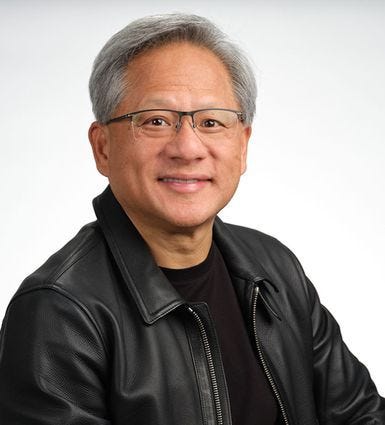
The board announced the decision on Monday, 23 November, following a unanimous vote. It said discussions with Huang had satisfied directors about his candour and ability to lead the company. The board also said it had received input from senior United States government officials and was confident his return posed no national security risk.
Huang resigned on 12 November after 33 years leading the company. His departure followed scrutiny over his relationship with a woman suspected of working for Chinese intelligence. He subsequently acknowledged serious mistakes in his personal life and pledged to cooperate with the board’s investigation.
The board’s reversal has been dramatic. Nvidia shares rose about 34 per cent, reaching $169.24, according to the figures reported by TheCable. The increase added approximately $983 billion to its market value, taking it to about $4.06 trillion. The company also reclaimed its position as the world’s second-most valuable listed company, behind Apple.
The rally reflects investors’ confidence in Huang’s leadership and the importance of continuity at a company central to the global artificial intelligence industry. Nvidia designs the advanced processors used to train and operate many artificial intelligence systems. Its products have become critical infrastructure for technology companies and governments competing for an advantage in the sector.
However, the reinstatement does not end the controversy. Nvidia says an independent board committee will continue investigating the allegations. It has also established a national security and export control committee and begun searching for a chief compliance officer. Government inquiries will continue.
The winners include Huang, Nvidia shareholders and technology businesses that depend on a stable supply of its processors. The losers may include investors seeking stronger corporate accountability, particularly if the board’s decision weakens confidence in its oversight. Competitors could also benefit if the controversy distracts Nvidia from its business.
For Nigeria, the development is a reminder that artificial intelligence is becoming an important part of global economic competition. Access to computing infrastructure, reliable electricity and technical skills will shape which countries benefit from the industry’s expansion.
Bottom Line: Huang’s return has restored investor confidence, but Nvidia must now prove that strong leadership and credible corporate accountability can coexist.