


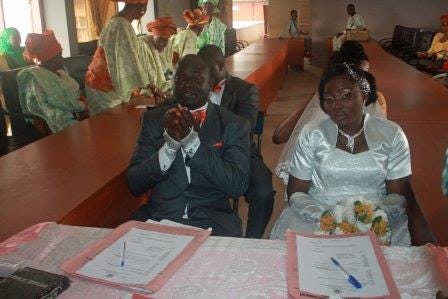
The National Population Commission (NPC) has called for a harmonised national system for marriage and divorce registration. The goal is to strengthen rights protection and provide reliable data for planning. The Overseeing Chairman, Mary Afan, made the call on Tuesday in Abuja. She spoke at the North-Central Zonal Consultation on the Draft Harmonised Protocol for Marriage and Divorce Registration.
Nigeria’s civil registration system is fragmented. Births and deaths are recorded. Marriage and divorce registration is inconsistent. Different institutions operate varying procedures. Paper records dominate. Data is siloed. This affects inheritance, custody and property rights. In 2023, the NPC launched reforms. In 2024, the electronic Civil Registration and Vital Statistics system was introduced. The draft protocol is part of that effort.
Afan said marriage and divorce are significant legal acts. They have implications for spousal support, child custody, inheritance and property. Proper registration provides a basis for protecting these rights. It also generates vital statistics. These support planning and social protection. The data helps prevent child marriage and promote gender equality.
Afan said registration remains fragmented. Institutions use different forms and procedures. Paper-based processes limit completeness and reliability. The draft protocol seeks common procedures. It clarifies institutional responsibilities. It links notification, registration, certification and data management through the electronic CRVS system.
Dr Abuh Mohammed, NPC Director-General, said marriage and divorce data has remained in silos. “A country as big as Nigeria is supposed to have national data on marriage and divorce,” he said. Reliable data supports economic planning and protects citizens’ rights.
Dr Taiwo Ibinaiye of the United Nations Population Fund said Nigeria needs a national database for real-time recording. Registration and certification ensure spouses, especially women, can establish legal claims. A strengthened system reduces dependence on costly censuses. Mrs Fidelia Abbas of UNICEF said CRVS is a foundation for legal identity and child protection. Birth registration coverage is about 40%. Marriage and divorce registration lags.
Aminu Saad, a Sharia Court of Appeal judge, said a centralised database could resolve inheritance disputes. The consultation is one of four zonal engagements. It reviews the draft protocol to reflect statutory, customary, Islamic and Christian marriage systems.
Winners: Women, who gain rights protection. Children, who gain protection. Planners, who gain data. The NPC, which advances reform. Losers: Institutions that resist harmonisation. Those who benefit from opaque records. The system, if implementation lags. Taxpayers, if the process stalls.
Bottom Line: Marriage and divorce registration is fragmented. The NPC wants harmonisation. The draft protocol is a start. Data protects rights. Implementation is the test.