


Steve Babaeko, executive producer, gathered Nollywood figures and industry stakeholders for the official premiere of “Ramat” at the Africa International Film Festival. The film drew praise for its visual storytelling. The premiere was one of the festival’s headline events.
Babaeko is better known for advertising than for film. His position at the top of a Nollywood production is a signal. Advertising money has been moving into film for a decade. The 2016 cinema boom, when Nigerian films began earning at the box office, proved that a local audience would pay for tickets. Brands followed the audience. Now the producers are following the brands.
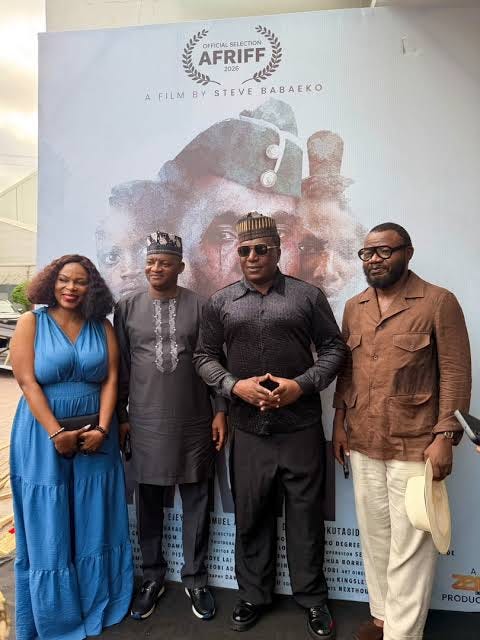
AFRIFF has been the industry’s shop window since 2010. A premiere there is not just a screening. It is a positioning exercise. Distributors, streaming platforms and festival programmers all watch. A film that lands well at AFRIFF gets a wider release and a louder trailer. A film that does not, gets a smaller one.
The business model has changed three times. In the 2000s, Nollywood ran on Alaba market duplication. In the 2010s, it ran on cinema releases and streaming deals. In the 2020s, it runs on a mix of both, with YouTube and international platforms as the outlets. “Ramat” arrives in that mix. Visual storytelling is the pitch. Revenue is the test.
The praise for visual storytelling is worth noting. Nollywood’s older reputation was built on speed, not craft. A film shot in a week could sell 100,000 copies in three days. The new model rewards production quality, because cinema audiences and streaming algorithms both punish carelessness. A well-shot film travels further.
Winners: Babaeko, the cast and crew, AFRIFF, and the cinema chains that will screen the film. Losers: None yet. A well-reviewed premiere is not a hit, and the cast’s next contracts depend on the numbers.
Bottom Line: A premiere is a promise. The box office will tell us whether “Ramat” keeps it.