


The Nigeria Labour Congress and the Trade Union Congress are divided. The dispute concerns the ₦70,000 monthly transport allowance approved by the Federal Government. The NLC accepted it. The TUC rejected it. The split is deepening. It threatens the minimum wage negotiations that have just begun.
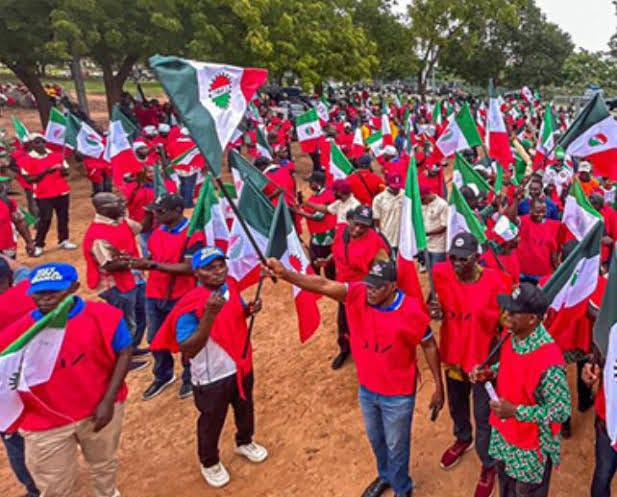
The two labour centres have cooperated on major disputes before. In 2012, they led the Occupy Nigeria protests together. In 2023, they jointly opposed the petrol subsidy removal. In 2024, they negotiated the ₦70,000 minimum wage as a united front. The current split is unusual. It reflects personal rivalry between the NLC President, Joe Ajaero, and the TUC President, Festus Osifo. It also reflects a genuine policy disagreement. The NLC sees the allowance as a win. The TUC sees it as a palliative that avoids a permanent wage increase.
The Federal Government approved the ₦70,000 allowance last Tuesday. It will run for six months, starting in November. It was a resolution of a conciliation meeting between the government and the NLC. The TUC was not part of the agreement. On Wednesday, the TUC rejected it. It called the allowance “haphazard measures” and demanded an immediate salary increment. Ajaero chided Osifo for the rejection. He said the NLC had made it clear it was negotiating independently.
On Friday, Osifo accused Ajaero of shortchanging workers during the 2023 negotiations. He said Ajaero rushed into a watered-down two-point proposal while the TUC had submitted a 10-point demand. On Monday, Ajaero insisted the NLC has the authority to negotiate alone. He cited the International Labour Organisation principle that the NLC determines how the TUC participates. “TUC can’t negotiate alone,” he said.
The Joint National Public Service Negotiating Council backed the NLC. Three TUC-affiliated unions backed the TUC. Workers expressed worry. “If two elephants fight, the grass suffers,” one civil servant said.
Winners: The Federal Government, which benefits from a divided labour movement. The NLC, which asserts primacy. The TUC, which asserts independence. Losers: Workers, whose interests are split. The minimum wage negotiations, which may stall. The labour movement, which loses leverage. The NLC and TUC, whose rivalry damages both. The government, if the dispute escalates into separate strikes.
Bottom Line: The labour movement is divided. The government is the winner. Workers are the losers. The ₦70,000 allowance is temporary. The minimum wage is permanent. The two centres should negotiate together or lose separately.