


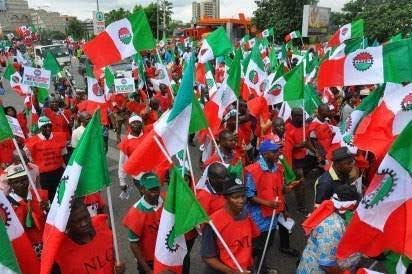
The Nigeria Labour Congress and the Trade Union Congress have directed their affiliates and state councils to begin mobilising for a possible nationwide action. The directive followed a meeting with the Federal Government on Thursday, 22 October 2026. The meeting ended without resolution. The government delegation, labour said, arrived without the mandate to negotiate.
The NLC has a long record of confronting the state over fuel prices and wages. In 2012, it led the largest street protests in Nigeria’s contemporary history against the removal of the fuel subsidy. In 2016, its strike against fuel deregulation failed. In 2018, it suspended a nationwide strike over the minimum wage after the government proposed ₦24,000. Labour demanded ₦30,000. In 2023, it suspended a strike over the removal of the petrol subsidy after a meeting at the Presidential Villa. The pattern is consistent. Labour threatens. The government concedes just enough. Labour suspends. The demands return. Each cycle erodes the threat’s credibility. Each cycle leaves workers with less.
The meeting was convened by the Ministry of Labour in Abuja. Labour presented its demands. These included a reduction in petrol prices to 2024 levels. They included a renegotiation of the national minimum wage. They included the implementation of agreed tax relief. They included the implementation of the terms of settlement with the Joint Health Sector Unions. They included the resolution of the Joint Public Service Negotiating Council’s demands on peculiar allowance, wage award and hazard allowance.
The NLC Acting General Secretary, Benson Upah, and the TUC Secretary-General, Nuhu Toro, issued a joint statement. “Regrettably, the government delegation came unprepared and without the necessary mandates to engage substantively on these issues,” they said. “No concrete commitments were secured.” The Minister of Labour requested an adjournment to Tuesday, 27 October 2026. The government needs time to assemble relevant ministers and heads of agencies. Labour accepted the adjournment. It did not accept indefinite delay. It said its organs will decide the next line of action if Tuesday produces no progress.
The unions urged workers and the public to remain calm. They also urged affiliates to be on alert. “We urge all affiliates of NLC and TUC, all state councils and our civil society allies to be at alert and start mobilising for a possible action across the nation,” the statement said. The mobilisation is not a strike call. It is preparation for one. The distinction matters. It gives the government one more chance. It also signals that patience is thin.
Winners: The NLC and TUC, which assert leverage. Workers, if the government concedes. Labour leaders, who gain visibility. Losers: The Federal Government, which faces pressure. Commuters, if a strike disrupts transport. Businesses, if industrial action escalates. Students, if schools close. Patients, if hospitals reduce services. The economy, which absorbs lost productivity. Taxpayers, if wage awards require more borrowing.
Bottom Line: Labour has mobilised. The government has until Tuesday. The demands are old. Petrol is still expensive. The minimum wage is still ₦70,000. The allowances are still unpaid. Labour has suspended strikes before. It may suspend this one too. But the pattern is fraying. Workers are tired. The government is unprepared. Tuesday will decide. If talks fail again, the strike will come. And this time, labour may not step back.