

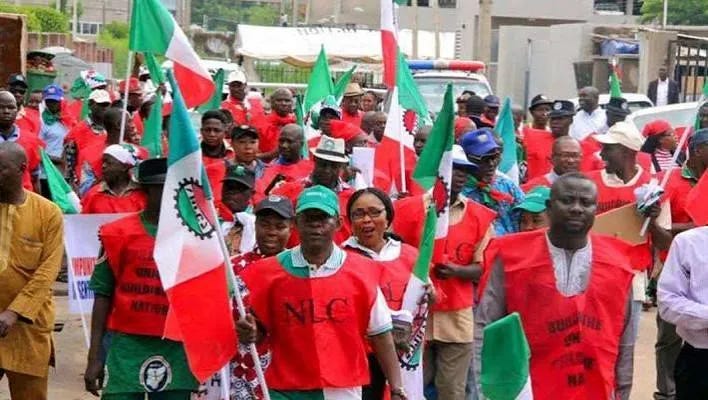
The Nigeria Labour Congress (NLC) has issued a two-week ultimatum to the Federal Government. The ultimatum begins on Friday, 9 October 2026. The NLC demands a reduction in petrol pump prices. It also demands an immediate review of minimum wage implementation frameworks. If the government does not respond, the NLC may call a strike.
The NLC has issued ultimatums before. In 2023, it protested the removal of the petrol subsidy. In 2024, it demanded a wage award. The government offered temporary payments. They expired. In 2025, the NLC threatened strikes over the minimum wage. The government raised it to ₦70,000. Inflation eroded its value. Petrol prices have risen above ₦1,400 per litre in many states. The NLC says workers cannot survive on current wages. The government says it is constrained.
The NLC announced the ultimatum after a meeting in Abuja. It said the government has ignored previous demands. It cited the high cost of living. It said the minimum wage is insufficient. It demanded a reduction in petrol prices to ₦500 per litre. It also demanded a review of the wage implementation framework. The NLC said it would not accept delays.
The government has not responded publicly. It may negotiate. It may wait out the ultimatum. Labour’s leverage has weakened since 2023. The public is fatigued. Strikes disrupt daily life. But the NLC can still mobilise. A nationwide strike would affect hospitals, schools and government offices. It would also disrupt transport and markets.
The petrol price demand is difficult. The government removed the subsidy. It cannot easily reverse it. Petrol prices are driven by global crude and the exchange rate. The NLC wants a return to subsidy. The government has ruled that out. The wage demand is more feasible. The government may offer another temporary award. That would not satisfy the NLC. The ultimatum expires in two weeks.
Winners: The NLC, which asserts leverage. Workers, if demands are partially met. The opposition, which gains a talking point. Losers: The Federal Government, which faces pressure. Commuters, if a strike disrupts transport. Patients, if hospitals are affected. The economy, which absorbs lost productivity. Taxpayers, if wage awards require higher taxes.
Bottom Line: The NLC gave the government two weeks. Petrol prices will not fall to ₦500. A wage award is possible. A strike is possible. The government must respond. Silence will not work.