


The Nigeria Hydrological Services Agency (NIHSA) has activated digital monitoring alerts. The alerts warn 15 states of severe riverine flood risks. NIHSA urged early evacuation and disaster mitigation. The states are mostly along the Niger and Benue river basins. The alert follows heavy rainfall across the country. The agency uses real-time data from monitoring stations. It tracks river levels. It predicts flood peaks. The warnings are sent to state governments and emergency agencies.
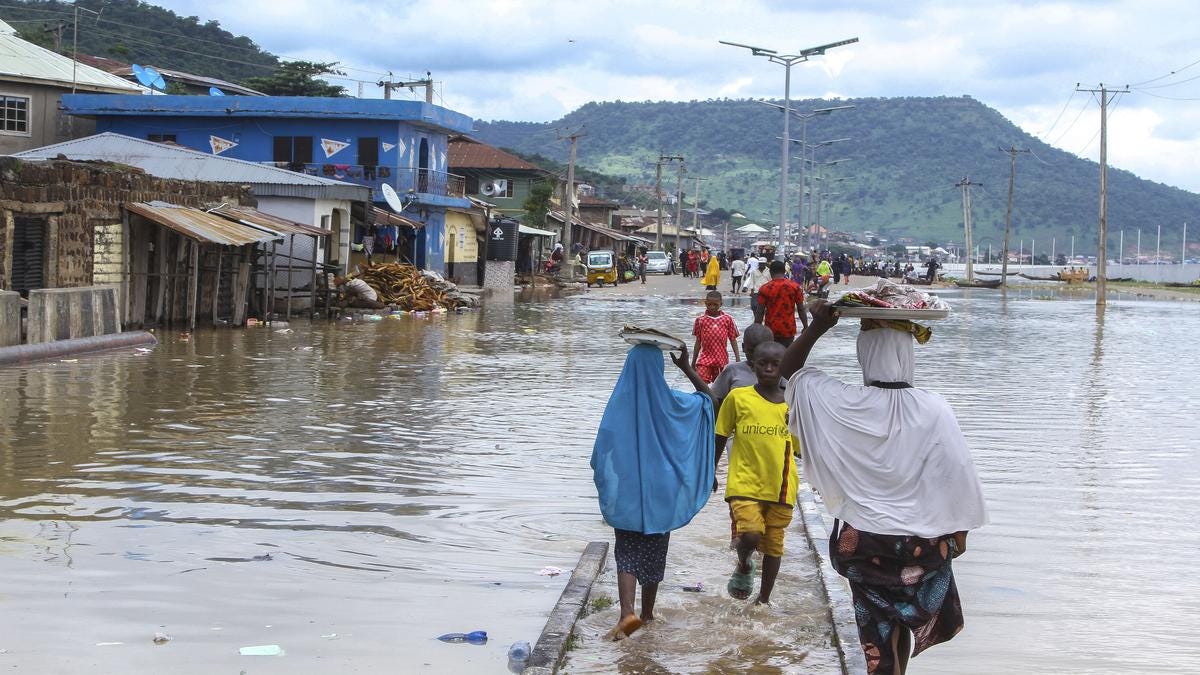
Nigeria experiences annual flooding. In 2012, floods killed over 300 people and displaced 2 million. In 2022, floods killed over 600 and displaced 1.4 million. The Nigerian Emergency Management Agency (NEMA) coordinates the response. But preparedness is weak. Drainage systems are inadequate. Early warning systems are underfunded. The 2026 alerts are an improvement. NIHSA has invested in digital monitoring. It now provides more timely warnings. But warnings help only if people act on them.
The 15 at-risk states include those along the Niger and Benue rivers. They are Kogi, Benue, Niger, Kwara, Anambra, Delta, Bayelsa, Rivers, Edo, Taraba, Adamawa, Kebbi, Sokoto, Nasarawa and Plateau. NIHSA said river levels are rising. It urged residents in flood-prone areas to evacuate. It also urged state governments to prepare relief materials. NEMA has activated its zonal offices. The agency said it is working with state emergency agencies. The warnings are timely. But many residents may not have received them. Communication is a challenge. Rural areas lack internet access. Local radio is effective but limited.
Flooding's economic impact is severe. It destroys crops, displaces families and damages infrastructure. It also increases food prices. The government has pledged support. But the response is often reactive. Prevention requires investment. Drainage systems must be built. Dams must be maintained. Communities must be relocated from floodplains. These are long-term solutions. They are expensive. The political will is often lacking.
Winners: NIHSA, which demonstrates capacity. NEMA, which coordinates. Communities that receive warnings and act. Losers: Residents who do not receive warnings. Farmers, who lose crops. Displaced families. The government, if the response is inadequate. Taxpayers, who fund relief instead of prevention.
Bottom Line: Warnings are not protection. They are a first step. The 15 states must prepare. Evacuation saves lives. Relief arrives after destruction. Nigeria needs investment in drainage and dams. Until then, floods will return every year.