


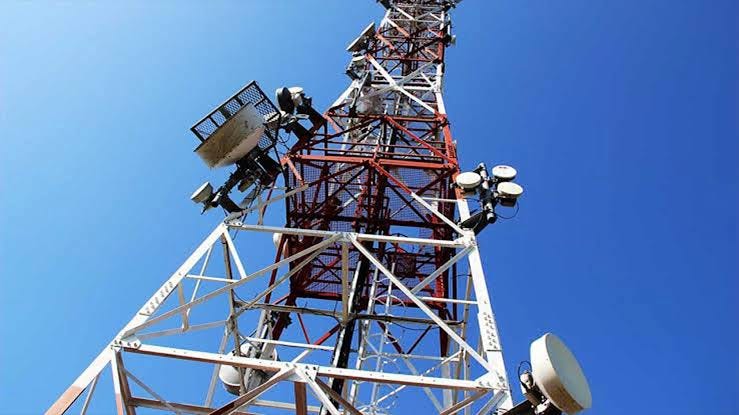
Telecom industry metrics from the NCC showed national teledensity reaching 90% as active mobile subscriptions neared 200 million, with users consuming 10.2 million terabytes of data. The figures confirm the depth of mobile penetration in Nigeria and the centrality of telecoms to the digital economy.
Teledensity measures the number of active telephone connections per 100 inhabitants. A rate of 90% indicates that mobile phones are close to universal among Nigerian adults, though multiple SIM ownership and inactive lines complicate the picture. The data consumption figure, at 10.2 million terabytes, reflects the shift from voice to data as the primary revenue driver for operators.
This echoes the 2020s telecoms growth data, which also showed rapid expansion in subscriptions and data use. The mechanism then was different, but the result was the same: a sector that has grown faster than the economy it serves.
The winners: telecom operators, who have built the largest consumer networks in Africa, and Nigerian consumers, who have gained access to mobile connectivity. The losers: fixed-line providers, who have been left behind, and the Nigerian government, which taxes the sector heavily while underinvesting in the infrastructure it depends on.
Bottom Line: Teledensity is at 90%. Subscriptions are near 200 million. The question is whether the quality of service will ever match the reach.