


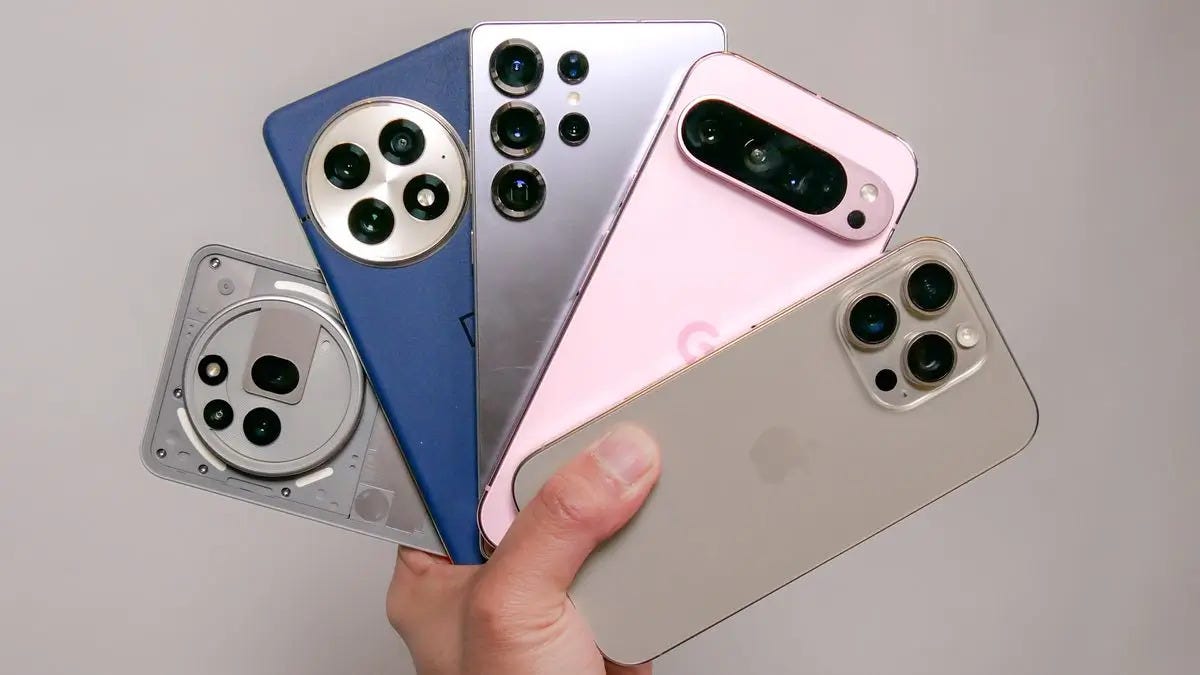
Nigeria’s smartphone penetration has risen to 75 percent in 2025, up from 64 percent in 2023. A KPMG Africa report attributes the increase to falling device costs, expanding mobile broadband coverage and growing consumer demand for internet-enabled services.
The shift is reshaping how Nigerians access finance, commerce and entertainment. Fintech platforms, digital wallets and app-based services depend on smartphone access. Higher penetration expands the addressable market for these products and accelerates the migration from feature phones.
Samsung and Apple control 59.2 percent of the national market as of March 2026. Samsung holds 37.8 percent, while Apple commands 21.4 percent. Chinese brands including Tecno and Infinix compete for the remaining share, primarily through lower-priced devices.
This mirrors the pattern seen in Kenya and South Africa, where mobile penetration preceded fintech adoption. M-Pesa in Kenya grew because mobile phones were widespread before formal banking reached rural areas. Nigeria’s fintech sector follows a similar trajectory, with platforms like Opay, PalmPay and Moniepoint building on smartphone access.
The gains are uneven. Urban areas have higher penetration than rural communities. Northern states lag behind the southern regions. The Federal Government’s 90,000-kilometre fibre project aims to close some of that gap, but device affordability remains a barrier for low-income households.
Winners and Losers
Winners: Fintech platforms, which gain a larger addressable market. Samsung and Apple, which dominate the premium segment. Telecom operators, which benefit from increased data consumption.
Losers: Feature phone manufacturers, whose market share declines. Rural consumers, who remain underserved by both devices and network coverage. Local device assemblers, who struggle to compete with imported brands.
Bottom Line: A smartphone is no longer a luxury. It is the gateway to Nigeria’s digital economy. The question is who gets through.