


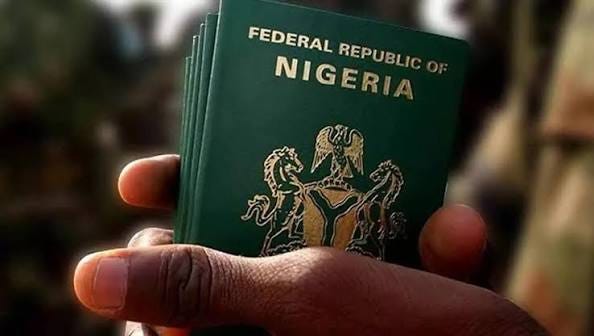
From a Nigerian vantage point, the passport is getting less useless. International immigration agencies have updated global visa databases. Fifty-four countries now offer automated eVisa entry options to Nigerian passport holders. That is up from a much smaller number a few years ago.
Historical background: Nigeria’s passport has long ranked poorly on global mobility indices. In 2024, it sat around 90th on the Henley Passport Index. A Nigerian could travel visa-free to roughly 45 destinations, mostly in Africa and the Caribbean. The eVisa expansion changes the mechanics, not the geopolitics. It reflects the digitisation of immigration systems worldwide, a shift accelerated by the COVID-19 pandemic.
The update means Nigerians can apply online for entry to countries that previously required embassy visits, courier fees and weeks of waiting. The 54 countries include emerging markets in Asia, the Middle East and Latin America. For a Lagos-based entrepreneur seeking a supplier in Dubai, or a student applying to a Malaysian university, the eVisa route cuts time and cost. It also reduces consular officials' discretion, who have historically used visa interviews as gatekeeping.
The takeaway is not that Nigeria’s diplomatic standing has improved. It has not. The change reflects other countries' desire for tourist dollars and business spending. Nigerians travel with money. That makes them attractive to destinations with efficient digital systems. The same logic explains why the UAE, Turkey and Qatar have expanded access while the Schengen zone remains restrictive. Europe does not need Nigerian tourists as badly as Southeast Asia does.
Winners: Nigerian travellers, who save time and money. Digital platforms that process eVisas. Countries that attract Nigerian spending. The passport’s utility, marginally.
Losers: Visa agents and fixers, who lose business. Embassies that relied on visa fees as revenue. Countries with slow systems, which lose market share. Nigerians who still face rejections due to weak documentation or security screening.
Bottom Line: Fifty-four eVisas is progress. It is not a stronger passport. It is a faster queue.