


Nigeria’s headline inflation rate eased to 14.63% in September 2026. It was 15.39% in August. The National Bureau of Statistics disclosed the figure on Thursday. It is the fourth consecutive monthly decline. The rate is 6.35 percentage points lower than the 20.98% recorded in September 2025.
Inflation peaked at 33.2% in 2024. It followed the petrol subsidy removal and naira float. The rate declined slowly through 2025. It fell below 20% in early 2026. Food inflation remained sticky. The Central Bank of Nigeria maintained a tight monetary stance. It cut the Monetary Policy Rate to 23% in September. The current data confirms disinflation.
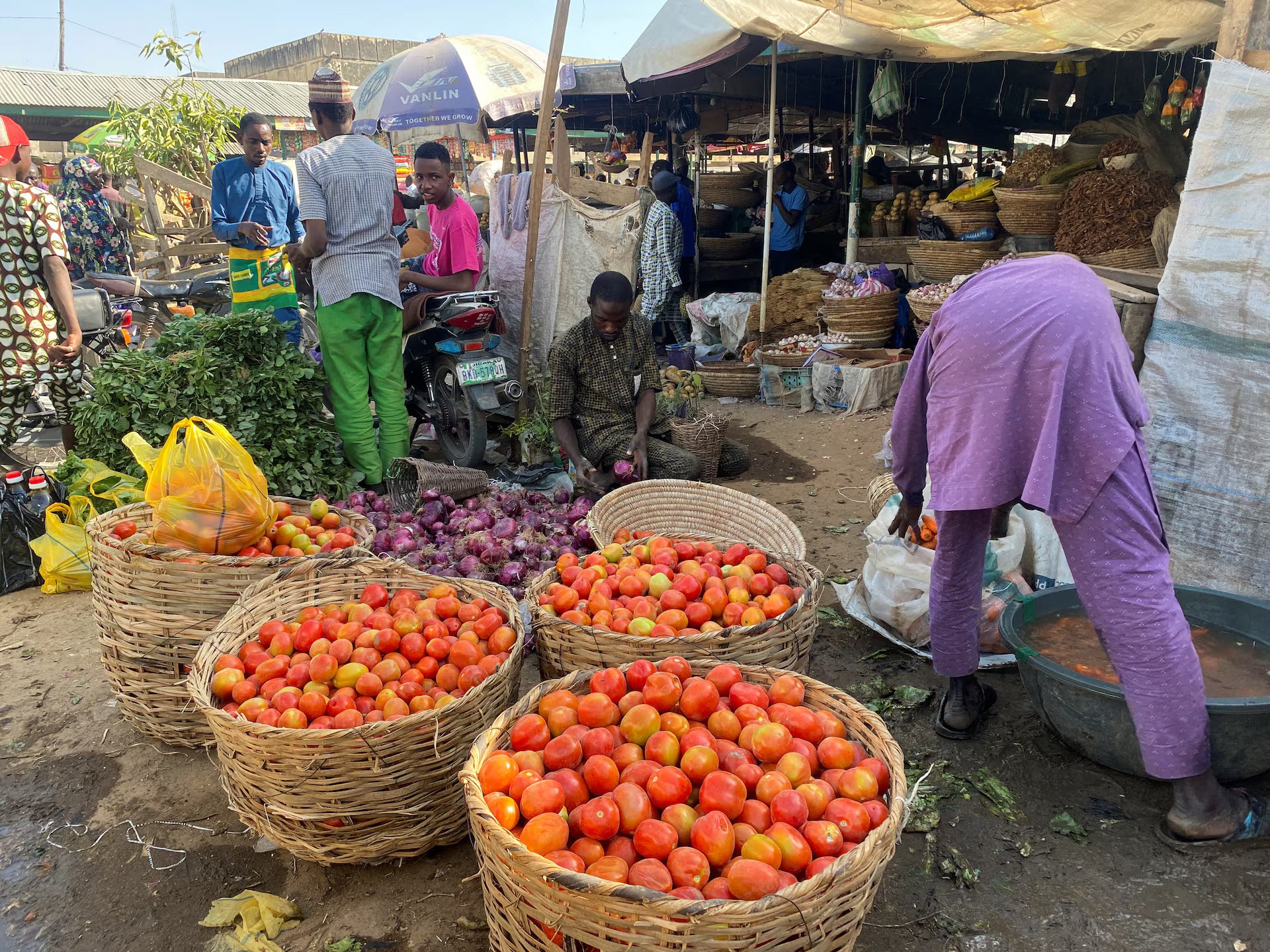
The NBS report showed mixed movements. Urban inflation was 15.64% year-on-year. Rural inflation was 12.46%. Month-on-month urban inflation rose to 0.53%. Rural inflation fell to -0.89%. Food inflation was 19.59% year-on-year. On a month-on-month basis, food inflation fell to -1.55%. The decline followed price reductions in grains, rice, eggs, onions, palm oil and tomatoes. Core inflation rose on a monthly basis to 1.11% from -0.06% in August. Annual core inflation was 12.95%.
Winners: The Federal Government, which can claim progress. The CBN, whose policy is working. Consumers, if food prices fall. Losers: Nigerians who still face high food costs. Fixed-income earners, whose purchasing power remains weak. The CBN, if core inflation persists.
Bottom Line: Inflation is falling. Food prices eased in September. But the rate remains above target. The poor still feel the pain. The trend is positive. It is not yet relief.