


Prof. Dapo Akande has been elected as a judge of the International Court of Justice. He was elected on Tuesday during concurrent voting by the UN General Assembly and Security Council. He contested as the United Kingdom’s candidate. The UK Foreign, Commonwealth and Development Office confirmed the election. Akande received 11 votes in the 15-member Security Council. Eight were required.
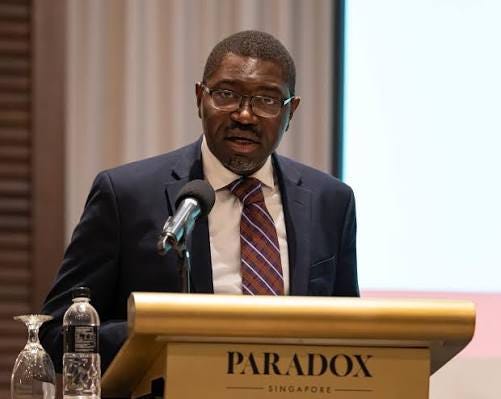
The ICJ is the UN’s principal judicial organ. It sits in The Hague. It has 15 judges who serve nine-year terms. Judges are elected by both the General Assembly and the Security Council. The process is political despite the legal mandate. Candidates are nominated by national groups. Governments campaign for them. Akande’s election as a UK nominee matters for Nigeria. He is Nigerian-born. He took his law degree at the University of Ife, now Obafemi Awolowo University, in 1992. He qualified as a Nigerian barrister in 1993. He later became the Chichele Professor of Public International Law at Oxford.
Akande was among four candidates who secured the required majorities in both UN organs in the first round. His candidature attracted 43 nominations from national groups across UN regions. The UK Government campaigned extensively. British Justice Secretary Alex Norris praised his qualifications and independence during the General Assembly debate. Akande will begin his nine-year tenure on 6 February 2027.
Nigeria’s Permanent Representative to the UN, Jimoh Ibrahim, congratulated President Bola Tinubu. He described the election as a significant achievement for Nigeria’s international standing. He said Security Council membership remains Nigeria’s major outstanding ambition at the UN. ICJ judges exercise independent judicial responsibilities. They do not represent their governments.
Winners: Akande, who gains a global judicial role. The UK, which gains a respected jurist. Nigeria, which gains reflected prestige. International law, which gains a scholar. Losers: Other candidates who were not elected. The UN, if the election is seen as political. Nigeria, if it claims credit for a UK candidate. No serious losers if the court benefits.
Bottom Line: A Nigerian-born jurist now sits on the world’s highest court. He represents the UK. Nigeria can claim pride without claiming ownership. The ICJ needs independence. Akande has it. The tenure begins in February.