


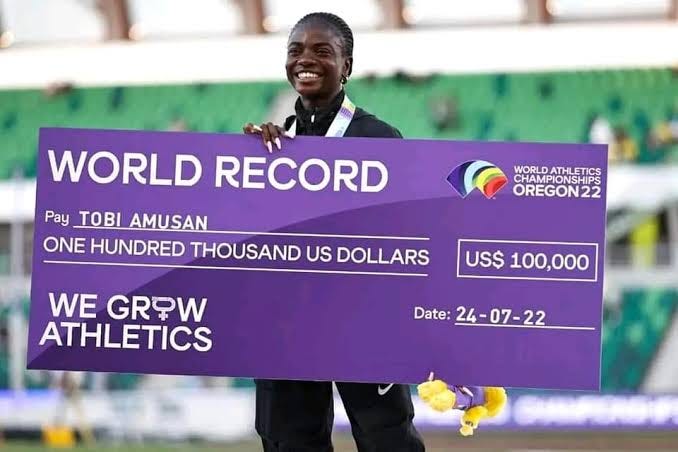
Nigerian track and field athletes have earned a cumulative $130,000 in prize money at the World Athletics Ultimate Championship. The figure represents the combined earnings of Nigerian competitors across their events.
Nigerian athletics has a funding problem. Athletes often compete without stipends. Training camps are underfunded. The Athletics Federation of Nigeria (AFN) has faced repeated crises over leadership and finances. At the 2024 Paris Olympics, Nigeria won no medals in athletics. The country’s last individual track medal at the World Championships came in 2013, when Blessing Okagbare won silver in the long jump. Prize money at international meets is one of the few direct financial rewards athletes receive. It does not flow through the federation.
The $130,000 total is significant for the athletes who earned it. Prize money at World Athletics events is paid directly to competitors. It covers travel, coaching and living expenses. For athletes without sponsorship, it is essential. The Ultimate Championship format is relatively new. It brings together top athletes in a condensed schedule. Nigerian competitors performed well enough to accumulate the total.
The broader context is the state of Nigerian athletics. The sport produces world-class talent. It struggles to retain and support them. Many athletes train abroad because facilities and coaching in Nigeria are inadequate. The AFN’s budget is small. Corporate sponsorship is limited. The prize money earned by athletes does not solve the system’s problems. It does provide a reminder that Nigerian athletes can compete when they get to the start line.
The next test is the 2027 World Championships and the Los Angeles 2028 Olympics. Nigeria needs consistent performances, not isolated successes. The athletes who earned prize money at this event are the same athletes who will carry the country’s hopes. Their earnings help them continue. The system around them still needs to improve.
Winners: The athletes who earned prize money. The AFN, which can cite the results. Nigerian sports fans, who see positive news. Coaches and support staff associated with the athletes. Losers: Athletes who competed but did not earn prize money. The AFN, if it cannot convert individual success into programme funding. Nigerian sports development, which remains dependent on individual effort rather than institutional support.
Bottom Line: $130,000 is real money for the athletes who earned it. It does not fix Nigerian athletics. It does show what the athletes can do when they reach the start line.