


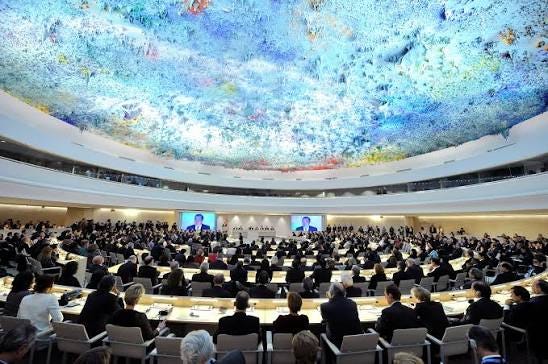
Nigeria has been elected to the United Nations Human Rights Council for a three-year term. The term runs from 2027 to 2029. The UN General Assembly elected Nigeria with 172 of 181 valid votes. It was one of 15 countries chosen. Others include Brazil, Germany, Ghana, Japan and Ukraine. Nigeria announced its bid in February. It promised to cooperate with the council’s mechanisms and fund safe schools. Its last term ended in 2020.
The Human Rights Council is based in Geneva. It has 47 members. It addresses rights violations and makes recommendations on global situations. Nigeria has served on the council before. Its record at home is contested. Security forces have been accused of abuses. The #EndSARS protests in 2020 drew international condemnation. The government denies systematic violations. Election to the council gives Nigeria a platform. It also invites scrutiny.
The vote was decisive. Nigeria secured 172 of 181 valid votes. That is strong support. The council term begins in 2027. Nigeria will participate in reviews, resolutions and investigations. It will also face its own Universal Periodic Review. The government said it would fund safe schools. That pledge responds to mass abductions of students. The Chibok abduction in 2014 and subsequent school attacks remain unresolved. Nigeria’s election is a diplomatic win. It is also a test. The country must live up to the standards it will help enforce.
Winners: Nigeria, which gains a platform. The Foreign Ministry, which ran the campaign. Diplomats, who gain influence. Human rights advocates, who gain leverage. Losers: Critics who see the seat as hypocritical. Countries that lost the vote. The government, if its record is scrutinised. Nigerians, if the seat brings no improvement at home.
Bottom Line: Nigeria won a seat on the Human Rights Council. The vote was strong. The pledge is clear. The record is contested. Nigeria will now help judge others. It must accept being judged. The seat is a platform. It is also a mirror.