


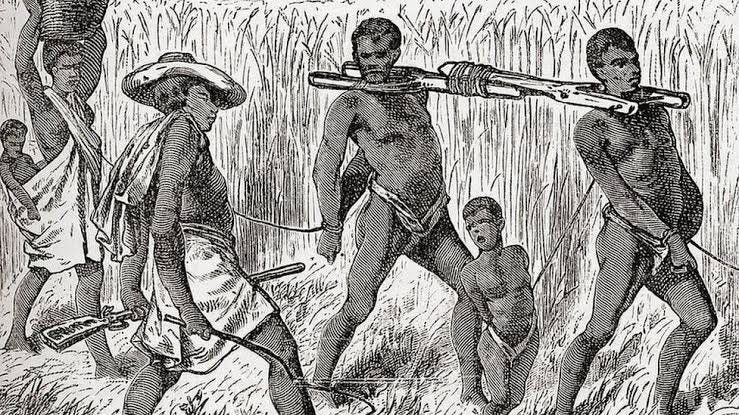
Nigeria has urged the United Nations to include colonialism, slavery, slave trading and exploitation of natural resources in a proposed international treaty on crimes against humanity. The country made the request on Monday during the 11th plenary meeting of the UN General Assembly’s Sixth Committee. Nigeria’s Permanent Representative, Ibrahim Jimoh, outlined the country’s position on negotiations towards a legally binding convention.
The transatlantic slave trade lasted over 400 years. Millions of Africans were trafficked and enslaved. Colonialism followed. European powers extracted resources and suppressed development. The UN General Assembly adopted Resolution 80/250 on 25 March 2026. It recognised the trafficking and racialised enslavement of Africans as the gravest crime against humanity. Nigeria wants that recognition codified in law.
Nigeria supported the African Group’s position. It wanted additional provisions addressing historical injustices. It supported the demand that slavery and the slave trade be expressly included in the proposed convention. It also reiterated its earlier proposal that colonialism and the exploitation of natural and mineral resources be covered.
The delegation cited the African Union’s declaration of 2026 to 2035 as the Decade of Justice for Africans and People of African Descent through Reparations. It argued that the proposed convention should give legal effect to these recognitions. It called for the definition of crimes against humanity to follow Article 7 of the Rome Statute. It warned that departing from the agreed definition could weaken support for the convention.
On international cooperation, Nigeria stressed respect for sovereign equality and non-interference. It called for national jurisdiction, mutual legal assistance and extradition arrangements. It argued that countries providing assistance to governments committing crimes against humanity should face accountability. The second Preparatory Committee session is scheduled for April 2027.
Winners: Nigeria, which shows leadership. The African Group, which gains support. Victims of historical injustices, whose cause is elevated. Reparations advocates, who gain momentum. Losers: Countries that oppose inclusion. Former colonial powers, if accountability follows. Critics who see the effort as symbolic. No serious losers if the treaty advances.
Bottom Line: Nigeria wants slavery and colonialism in the treaty. The crimes were real. The recognition is symbolic. The treaty could give it legal force. The negotiations continue. The past is not past. It is law in the making.