


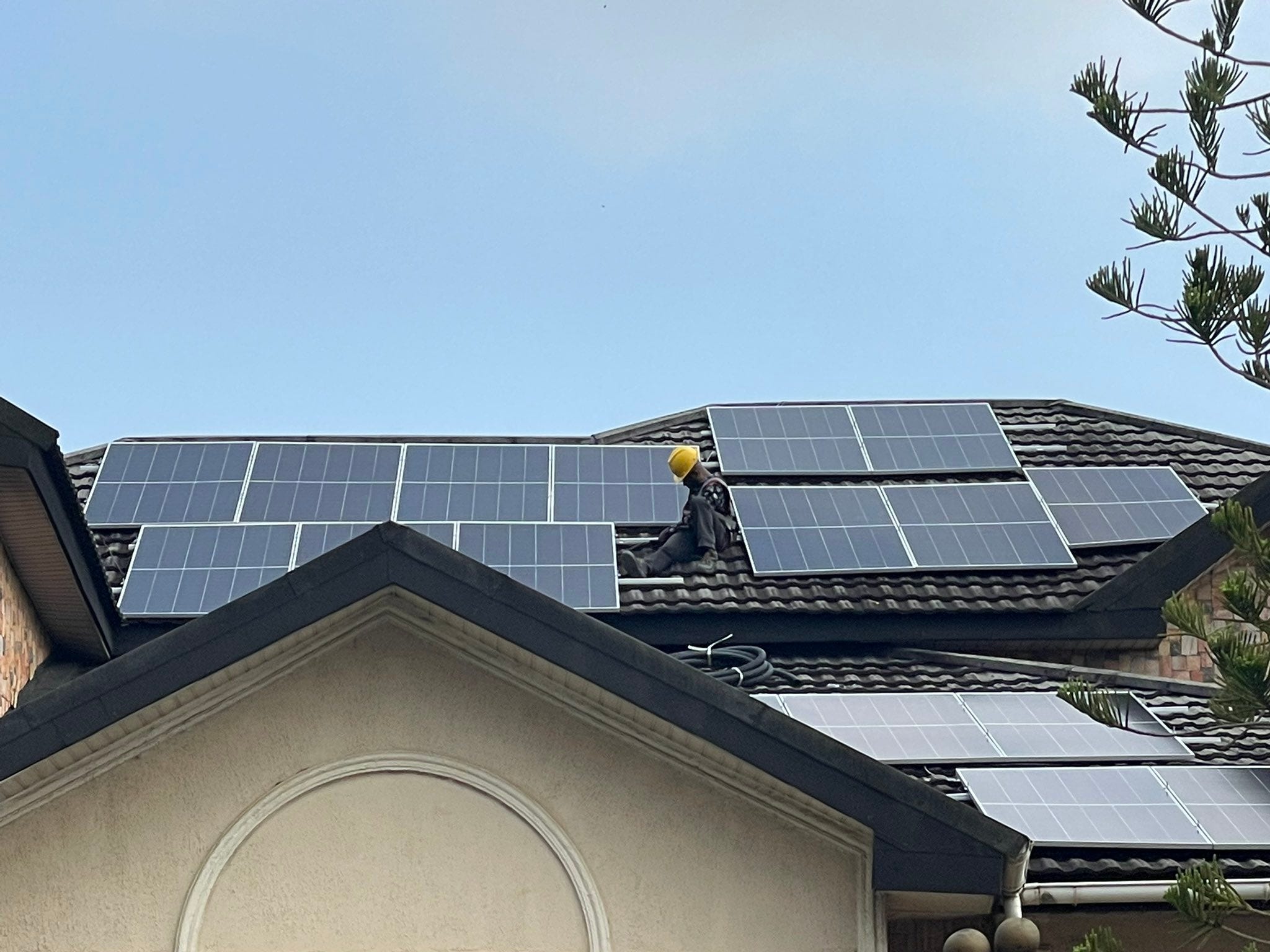
A BloombergNEF report named Nigeria one of the fastest-growing small-scale solar markets in Sub-Saharan Africa. Driven by rising grid electricity tariffs and high fuel costs for generators, households and commercial enterprises are increasingly adopting solar PV and battery systems to secure reliable power.
The report found that clean energy investment in Sub-Saharan Africa reached a record $13.5 billion in 2025, with Nigeria identified as one of the largest markets driving small-scale solar growth. The region installed 13 gigawatts of solar, wind and battery capacity in 2025, with annual additions projected to increase to 29GW by 2030. Investment in small-scale solar more than doubled year-on-year to $8.5 billion.
Nigeria added 3.1 GW of small-scale solar capacity in 2024 and 2025, bringing cumulative installed capacity to about 6 GW. BloombergNEF forecasts cumulative solar capacity could reach 87GW by 2035, rising from annual additions of 2.4GW in 2026 to 7.8GW in 2030 and 16.2GW in 2035. The research attributes the rapid growth to worsening electricity shortages, rising diesel and petrol costs and increasing demand for reliable power.
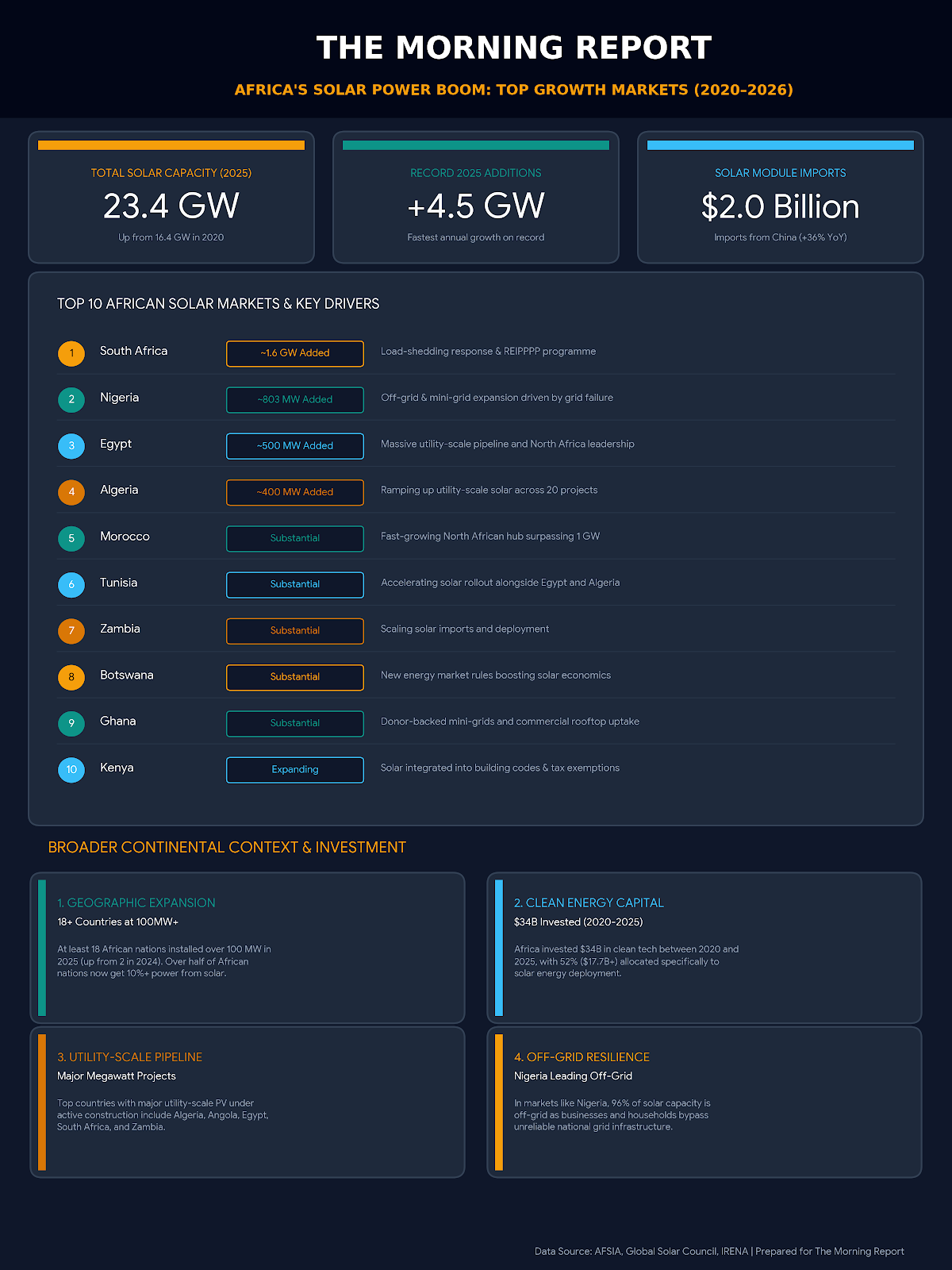
For Nigerian consumers, the shift to solar has become less of an environmental choice and more of an economic one. With electricity costs continuing to rise, homes, schools, hospitals and small businesses are investing in solar systems to cut running costs and reduce dependence on diesel generators. The report suggests that this trend is changing the region’s energy landscape, with private investment playing a bigger role in expanding access to electricity.
This echoes the 2010s generator boom, which saw Nigerians turn to petrol and diesel generators for backup power. The mechanism then was different, but the result was the same: Nigerians seeking alternatives to an unreliable grid.
The winners: Nigerian households and businesses that are adopting solar; and the solar industry, which is growing rapidly. The losers: generator sellers, who face declining demand; and the Nigerian government, which must invest in the grid to compete with solar.
Bottom Line: Nigeria is one of Africa’s fastest-growing solar markets. The drivers are economic, not environmental. The question is whether the momentum can be sustained.