


The Federal Government has begun construction of a $70 million National Passport Booklet Manufacturing Centre at the Nigeria Immigration Service headquarters in Abuja. Minister of Interior Olubunmi Tunji-Ojo said local production of Nigerian international passport booklets will begin in May 2027. The 1.1-hectare facility is designed to produce six million passports annually, with capacity to expand to 10 million. President Bola Tinubu is expected to commission the project upon completion.
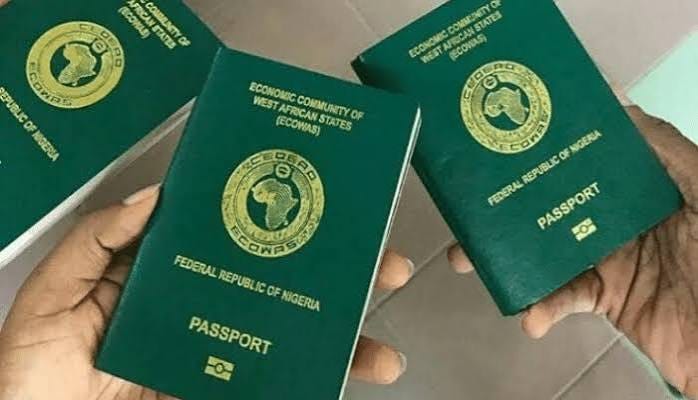
The mechanics of the project go beyond import substitution. Nigeria has relied on foreign contractors for passport booklets, a dependence that has produced delays, cost overruns and periodic shortages. A domestic factory does not just save foreign exchange. It shortens the supply chain and gives the Immigration Service control over a document that is central to national security. Tunji-Ojo framed the project in those terms, linking it to both efficiency and security.
This echoes the 2021 push for local production of SIM cards and other telecommunications hardware, which promised industrialisation and delivered a partial shift. It also mirrors the longer pattern of Nigerian infrastructure projects being announced with ambitious timelines and then slipping. The May 2027 date is a commitment, not a guarantee.
The winners are the Immigration Service, which gains a domestic supply chain, and the contractors who will build and operate the plant. The losers are the foreign booklet suppliers who will lose a contract, and the applicants who will discover that a factory in Abuja does not automatically reduce the queue at the passport office.
Bottom Line: A passport factory is a good idea. A passport that arrives on time is the policy.