


Nigeria will field 21 athletes in eight sports at the Youth Olympics. The IOC selected the sports. The games will be held in Dakar, Senegal. It is the first time Africa hosts the event. The Director-General of the National Sports Commission, Bukola Olopade, disclosed the plan.
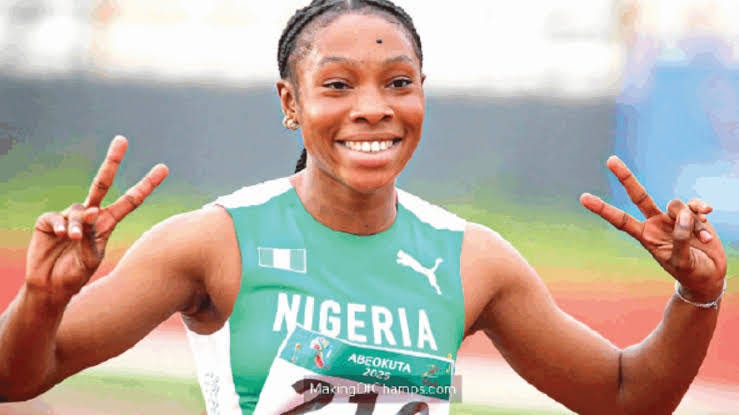
Nigeria’s Olympic strength lies in athletics, particularly sprints and jumps. The country has won medals in football, boxing, wrestling and weightlifting. The Youth Olympics uses a different model. The host and the IOC select a limited programme. Some traditional strengths are excluded. Nigeria has attended every edition since the first in 2010. The results have been modest. The event is a development platform, not a medal table contest.
Olopade said the IOC selected Nigeria's sports. That left limited options. “Areas where we had competitive advantages have been taken away from us,” he said. “I am not too sure about our positioning.” He said Nigeria accepted because it's the first time the event is in Africa. The athletes spent three weeks in camp. He is hopeful of medals.
He singled out beach volleyball. The young team qualified Nigeria for the 2028 Olympics. “That could be a gold medal,” he said. The squad includes school-age athletes.
The commission will pay cash rewards. Gold medallists receive $3,000. Silver medallists get $2,500. Bronze medallists get $2,000. The money goes towards school fees. It complements the commission’s scholarship scheme. Nigeria will also deploy three psychologists and two safeguarding officers. They will support the athletes’ mental health and safety.
The Youth Olympics run from 31 October to 13 November 2026. Côte d’Ivoire has confirmed its participation. Nigeria’s squad is the largest it has sent in years.
Winners: The 21 athletes, who gain international exposure. Beach volleyball, which carries medal hopes. The NSC, which shows support. Young Nigerian sport, which gains a platform. Losers: Sports excluded from the programme. Athletes who did not make the squad. Nigeria’s traditional strengths, which are absent. The country, if the medal haul is poor.
Bottom Line: Twenty-one athletes. Eight sports. A first African Youth Olympics. The programme does not favour Nigeria. The rewards are modest. The exposure is real. The athletes will gain more than medals. They will gain experience. That is the point.