


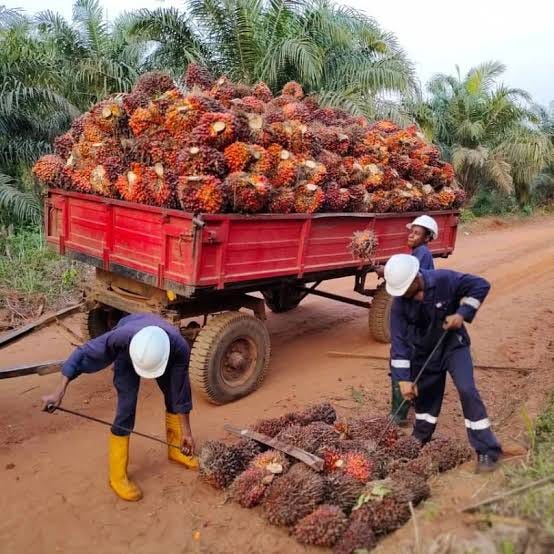
The Lagos Chamber of Commerce and Industry (LCCI) revealed that Nigeria spends roughly $550 million annually bridging a 1.1 million-tonne domestic palm oil deficit. LCCI President Leye Kupoluyi warned that Indonesia’s new export restrictions and levies are driving up local manufacturing costs in food and cosmetics. He urged targeted government incentives to boost local agribusiness production and curb import dependency.
The palm oil deficit reflects Nigeria’s failure to capitalise on its agricultural potential. The country was once a major palm oil exporter, but production has declined due to neglect and the expansion of oil palm plantations in Southeast Asia. The deficit now costs the country half a billion dollars annually in imports.
Indonesia’s export restrictions have further complicated the situation, driving up global palm oil prices and increasing costs for Nigerian manufacturers. The LCCI’s call for government incentives is a recognition that Nigeria must boost local production to reduce import dependency.
This echoes the 2010s agricultural import substitution policies, which also sought to reduce dependence on imported agricultural products. The mechanism then was different, but the result was the same: a recognition that Nigeria must produce more of what it consumes.
The winners: Nigerian palm oil producers, who stand to benefit from increased domestic demand; and the Nigerian economy, which gains from reduced imports. The losers: Nigerian manufacturers, who face higher costs; and the Nigerian government, which must provide the incentives needed to boost production.
Bottom Line: Nigeria spends $550 million a year importing palm oil. The deficit is 1.1 million tonnes. The question is whether the government will invest in local production or continue to import.