


Nigeria has called for stronger international disaster-response arrangements. The arrangements must protect national sovereignty. They must also guarantee financial assistance, technology transfer and early-warning capabilities. Nigeria outlined its priorities during negotiations in the General Assembly’s Sixth Committee. The committee is drafting a proposed international convention protecting people affected by disasters.
No binding treaty governs disaster response. Existing frameworks rely on voluntary cooperation. National sovereignty often complicates rapid assistance. Governments hesitate to allow foreign personnel and supplies into their territories. In 2004, the Indian Ocean tsunami exposed gaps in coordination. In 2010, Haiti’s earthquake showed how sovereignty concerns can slow aid. The proposed convention aims to codify responsibilities. Nigeria wants safeguards.
Nigeria’s representative, Emmanuel Nweke, insisted that international disaster assistance must respect affected countries' authority and consent. The delegation said the proposed convention should establish responsibilities for governments, international organisations and humanitarian actors. Nigeria supported retaining provisions that recognise national authority and require consent before external assistance.
Nigeria said sovereignty must be accompanied by effective international cooperation. It supported African Group proposals on financial assistance, capacity-building, technology transfer and technical expertise. It advocated investment in early-warning systems. It identified artificial intelligence as a tool for disaster forecasting. It urged governments to combine technology with community knowledge.
The delegation identified delays in transporting relief materials, clearing humanitarian supplies and issuing visas to emergency personnel. It called for practical arrangements to facilitate assistance.
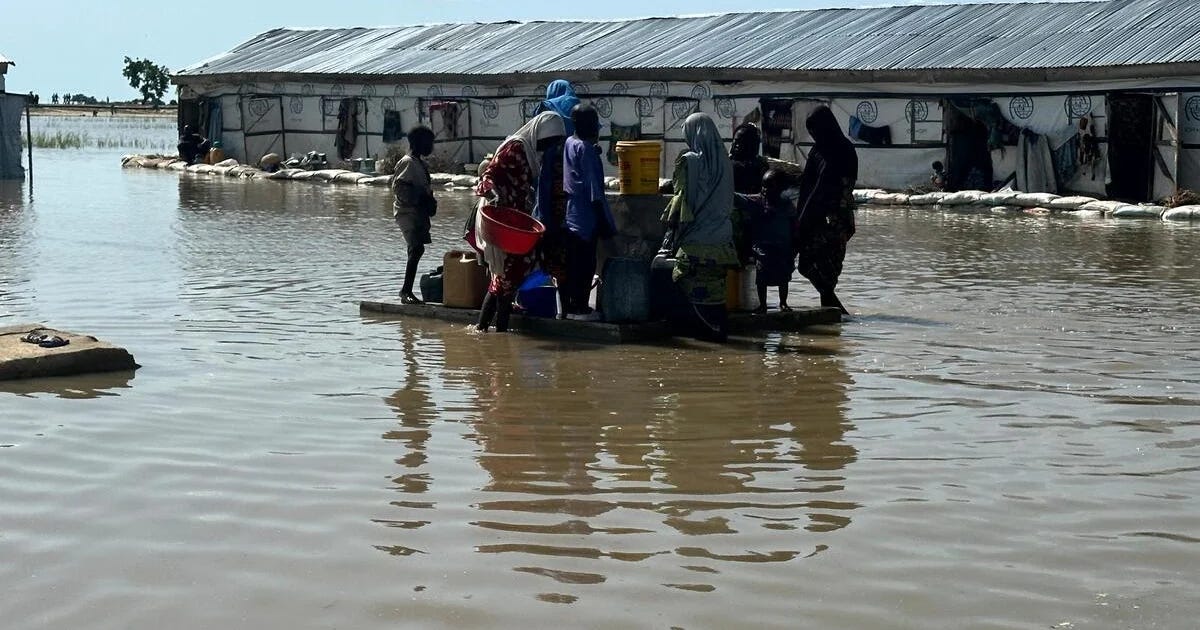
Nigeria cited the 2022 floods, which affected over 4.4 million Nigerians across 34 states. It said the disaster displaced over 1.4 million people. It cited displacement in the Lake Chad Basin, affecting over two million people. It identified oil pollution in the Niger Delta as another humanitarian crisis. It advocated recognition of ECOWAS and African Union disaster mechanisms.
Winners: Nigeria, which shows diplomatic leadership. African Group, which gains support. Vulnerable populations, if safeguards are adopted. The UN, which advances treaty negotiations. Losers: Countries that resist sovereignty provisions. Actors who exploit emergencies for political purposes. No serious losers if the treaty protects victims.
Bottom Line: Nigeria wants a disaster treaty that respects sovereignty. It also wants guaranteed assistance. The balance is delicate. The convention must protect both states and victims. Negotiations continue.