

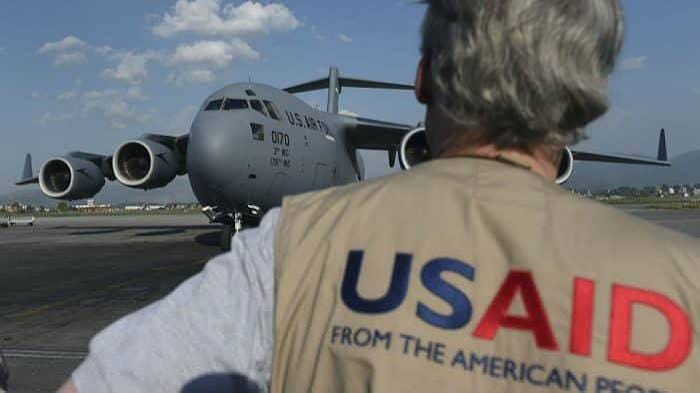
Under a newly signed bilateral agreement, Nigeria risks losing out on a portion of a $1.4 billion U.S. health and humanitarian assistance package unless measurable actions are taken to safeguard vulnerable religious communities in the Middle Belt. The framework requires increased domestic healthcare co-funding alongside verifiable steps to protect displaced populations.
The agreement is a significant development in Nigeria-U.S. relations. The U.S. has been increasing pressure on Nigeria to address religious violence, and the new framework ties aid to measurable actions. Nigeria has faced criticism for its handling of violence in the Middle Belt, and the agreement is a sign that Washington is losing patience.
From a Nigerian vantage point, the agreement is a warning. The country must take concrete steps to protect religious communities and displaced populations, or risk losing vital aid. The health and humanitarian package is a significant source of funding, and its loss would be a major blow to Nigeria’s healthcare system.
This echoes the 2019 International Religious Freedom Act designations, which also placed Nigeria on a watchlist. The mechanism then was different, but the result was the same: diplomatic pressure on Nigeria to address religious violence.
The winners: the U.S., which has increased pressure on Nigeria; and religious communities in the Middle Belt, who may benefit from increased protection. The losers: the Nigerian government, which faces diplomatic pressure; and the Nigerian public, who may lose access to vital aid.
Bottom Line: Nigeria could lose $1.4 billion in US aid if it fails to protect religious communities. The pressure is on. The question is whether the government will act or risk the consequences.