


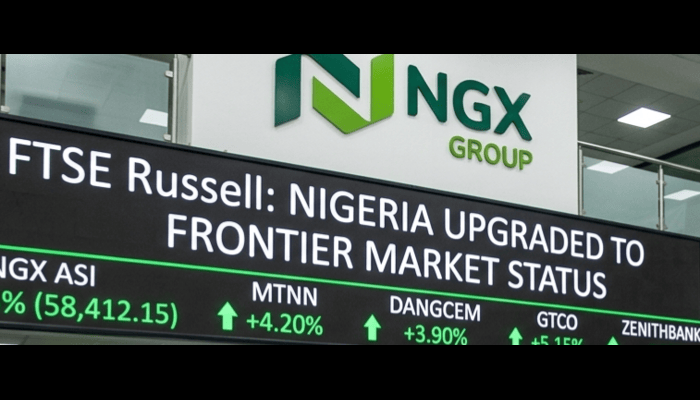
Index provider FTSE Russell announced that Nigeria will officially regain its FTSE Frontier Market status effective September 21, citing foreign exchange liquidity improvements and capital market reforms. The reclassification is a significant vote of confidence in Nigeria’s economic reforms and will likely attract foreign investment into the country.
Nigeria was downgraded from Frontier Market status in 2023 due to foreign exchange liquidity issues. The reclassification reflects the progress the government has made in addressing these issues. The return to Frontier Market status will increase Nigeria’s visibility among global institutional investors and could lead to increased passive investment flows into Nigerian equities. The reclassification is a positive development for the Nigerian capital market and the broader economy.
This echoes the 2018 upgrade of Nigeria to Frontier Market status, which also attracted foreign investment. The mechanism then was different, but the result was the same: a positive signal to international investors.
The winners: the Nigerian capital market, which will attract more investment; and the Nigerian economy, which benefits from increased capital flows. The losers: those who doubted Nigeria’s reforms; and the Nigerian government, which must sustain the reforms.
Bottom Line: Nigeria is back on the FTSE Frontier Market index. The reforms are paying off. The question is whether the country can maintain the momentum.