


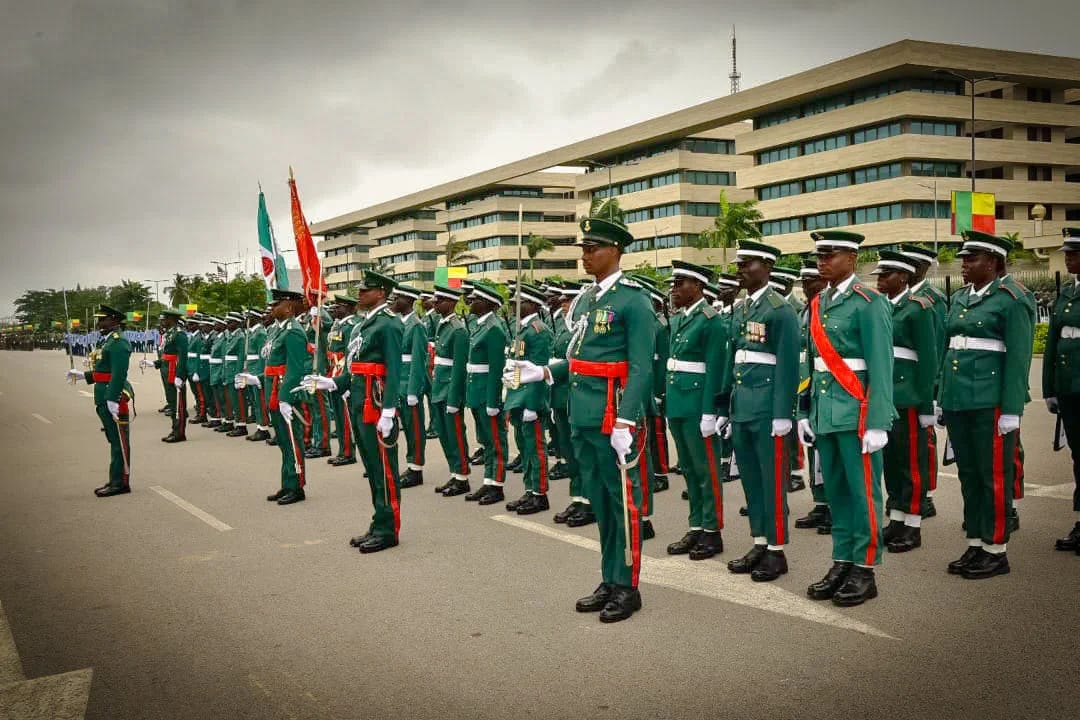
The Secretary to the Government of the Federation, George Akume, has announced that Nigeria will observe a scaled-down 66th Independence Day celebration. The event will hold on 1 October. It will focus on national reflection and honour the sacrifices of founding leaders. The decision reflects the current economic climate.
Nigeria’s Independence Day celebrations have varied in scale. In 2010, the 50th anniversary was marked with a large parade and international guests. The 2015 celebration was modest. In 2020, the 60th anniversary was scaled down due to COVID-19. In 2023, the celebration focused on the new administration. The scale often reflects the government’s priorities and the state of the economy. A scaled-down event signals fiscal restraint. It also avoids the criticism that accompanies lavish spending in hard times.
Akume said the celebration will focus on reflection. That framing is deliberate. Nigeria faces multiple challenges: inflation, insecurity, unemployment and infrastructure deficits. A large celebration would be politically tone-deaf. A scaled-down event allows the government to mark the day without inviting backlash. The focus on founding leaders honours the past. It also avoids direct commentary on the present.
The announcement comes as the government prepares the 2027 budget. Revenue is under pressure. Debt service consumes a large share of spending. Capital projects compete with salaries. A public celebration is a discretionary expense. Reducing it signals discipline. It also saves money.
The political angle is clear. The government wants to avoid comparisons with past celebrations that were criticised as wasteful. It also wants to avoid protests. Independence Day has historically been a platform for civil society to demonstrate. A smaller event reduces that risk. The government controls the narrative better when the celebration is modest.
Winners: The Federal Government, which avoids criticism. Taxpayers, who save on celebration costs. Founding leaders, who are honoured. Losers: Event contractors, who lose business. Parade participants, who lose visibility. Nigerians who expect a national celebration. Critics who wanted a platform to protest.
Bottom Line: A scaled-down Independence Day is a sensible choice. Nigeria has little to celebrate. Reflection is more honest than fireworks. The government should apply the same restraint to other spending.