


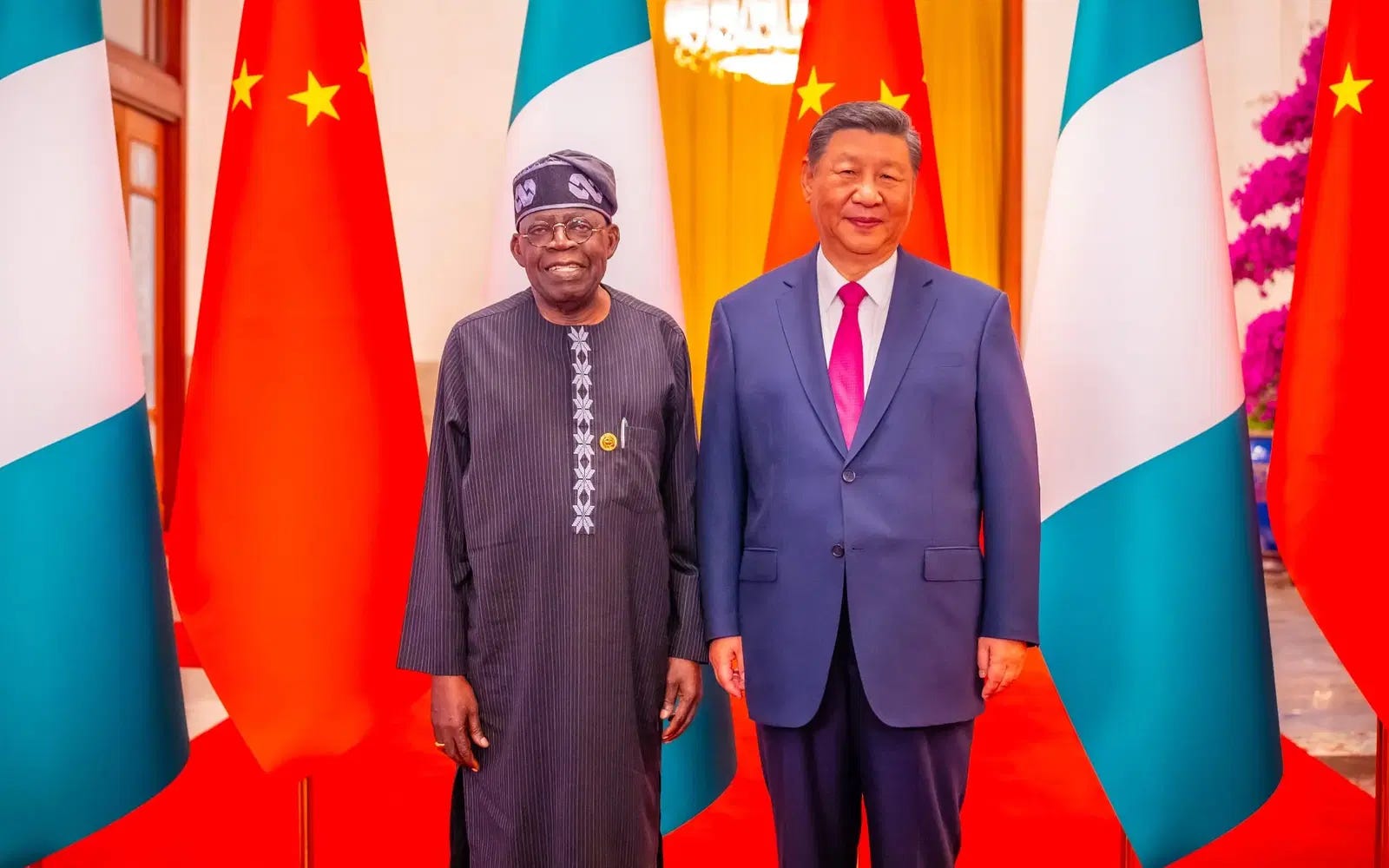
National Bureau of Statistics data revealed Nigeria imported ₦11.01 trillion in goods from China during the first half of 2026, representing nearly 40% of total national imports. The figure underscores the depth of Nigeria’s dependence on Chinese manufactured goods and the persistent imbalance in bilateral trade.
China has been Nigeria’s largest source of imports for years, supplying machinery, electronics, textiles and consumer goods. The concentration of imports in a single country exposes Nigeria to supply chain disruptions and currency risk. For a local manufacturer in Aba or Kano, Chinese goods set the competitive benchmark. For the naira, the demand for dollars to pay Chinese suppliers adds constant pressure.
This echoes the 2010s trade data, which also showed China dominating Nigeria’s import basket. The mechanism then was different, but the result was the same: a trade relationship that is deep, asymmetric and difficult to rebalance.
The winners: Chinese exporters, who have a captive market, and Nigerian importers, who profit from the trade. The losers: Nigerian manufacturers, who cannot compete on price, and the Nigerian economy, which exports raw materials and imports finished goods.
Bottom Line: China supplies nearly 40% of Nigeria’s imports. The trade gap is structural. The question is whether Nigeria will ever produce what it consumes.