


Nigeria hosted the Zone E playoffs of the XIII Federation of International Polo (FIP) World Polo Championship at the Guards Brigade Polo Club in Abuja from 9 to 16 November. It was the first time the tournament was staged on African soil. Pakistan beat Nigeria 9-5 in the final to claim the ticket to the World Championship in Punta del Este, Uruguay. Nigeria had earlier lost 11-3 to Iran and also fell to India.
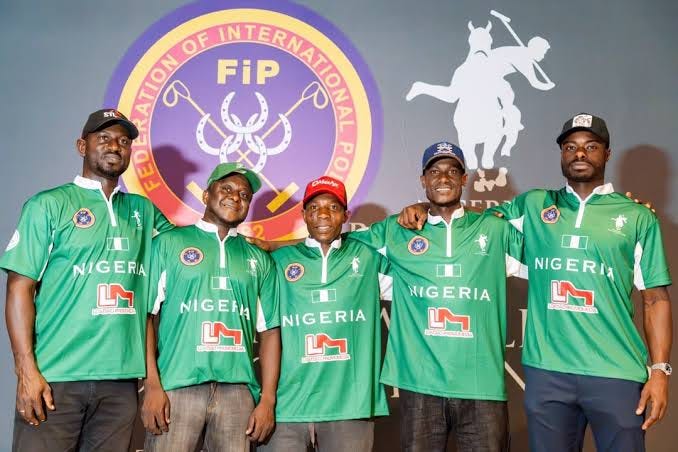
The mechanics of the result are less interesting than the diagnosis that followed. Nigerian Polo Association chairman Suleman Abubakar said the tournament exposed a youth pipeline problem. Pakistan’s key players, he noted, were under 25. Most of Nigeria’s were above 25. Habib Buhari, who played for Nigeria, said the team improved from game to game but needed more time training together. The association now plans a National Polo Development Centre and a youth academy, and wants to take the sport to schools and communities.
This echoes the broader Nigerian pattern in sports where elite competition reveals a structural weakness that everyone already knew about. It also mirrors the way polo’s reputation as an elitist sport has limited its talent pool, even as officials insist that most players are now sons of grooms and horsemen rather than wealthy patrons.
The winners are the NPA, which can claim a historic hosting even after a loss, and Pakistan, which earned its place in Uruguay. The losers are the Nigerian players who were outplayed on home soil, and the young athletes who might have been developed years ago if the youth academy had existed before the tournament made the gap impossible to ignore.
Bottom Line: Hosting a world qualifier is an achievement. Losing it because your players are too old is a planning failure.