


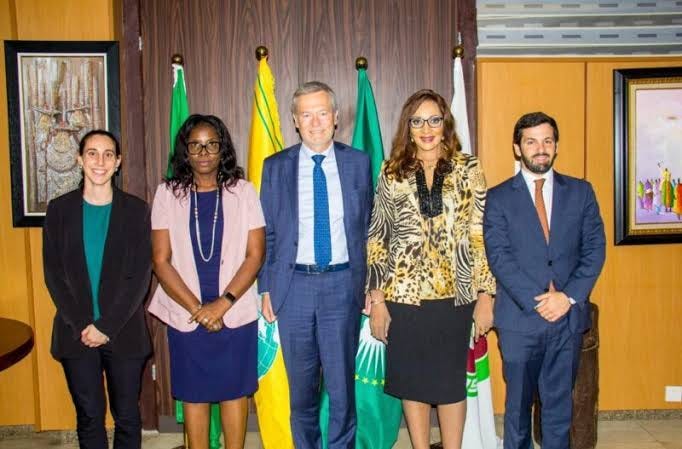
Minister of Foreign Affairs Bianca Odumegwu-Ojukwu has met with European Union officials. The meeting took place on the sidelines of the UN General Assembly. The agenda was a comprehensive readmission and migration cooperation agreement. The agreement emphasises returnee reintegration and structured legal pathways.
Migration dominates Nigeria-EU relations. Thousands of Nigerians attempt to reach Europe each year. Many die in the Sahara or the Mediterranean. The EU wants Nigeria to accept returnees. Nigeria wants legal pathways for its citizens. The two sides have negotiated for years. In 2018, they signed a common agenda on migration. Implementation was slow. In 2023, the EU pressured Nigeria to accept more returnees. Nigeria resisted. The current agreement attempts a balance.
The agreement has two pillars. The first is readmission. Nigeria will accept citizens who are deported from Europe. The second is reintegration. Returnees will receive support to rebuild their lives. The agreement also includes legal pathways. These allow Nigerians to migrate to Europe for work, study or family reunification. The pathways are structured. They are legal. They reduce the incentive for irregular migration.
The timing matters. The US has pressured African countries to accept deportees who are not their nationals. Côte d’Ivoire and Nigeria refused. The EU agreement is different. It focuses on Nigerian citizens. It offers something in return. That is a more balanced approach.
The agreement faces obstacles. Reintegration requires funding. Returnees need jobs, housing and training. Nigeria’s economy is weak. Jobs are scarce. The EU must provide resources. Legal pathways must be accessible. Bureaucracy can block them. The agreement must be implemented, not just signed.
Winners: The EU, which gains readmission cooperation. Nigeria, which gains legal pathways. Returnees, who gain support. Migrants, who gain legal options. Losers: Smugglers, who lose business. Countries that refuse readmission, which face EU pressure. Irregular migrants, who face deportation. The agreement, if implementation lags.
Bottom Line: Nigeria and the EU are finalising a migration deal. Readmission plus reintegration plus legal pathways. It is a balanced approach. Implementation is the test. Without funding and jobs, returnees will try again.