


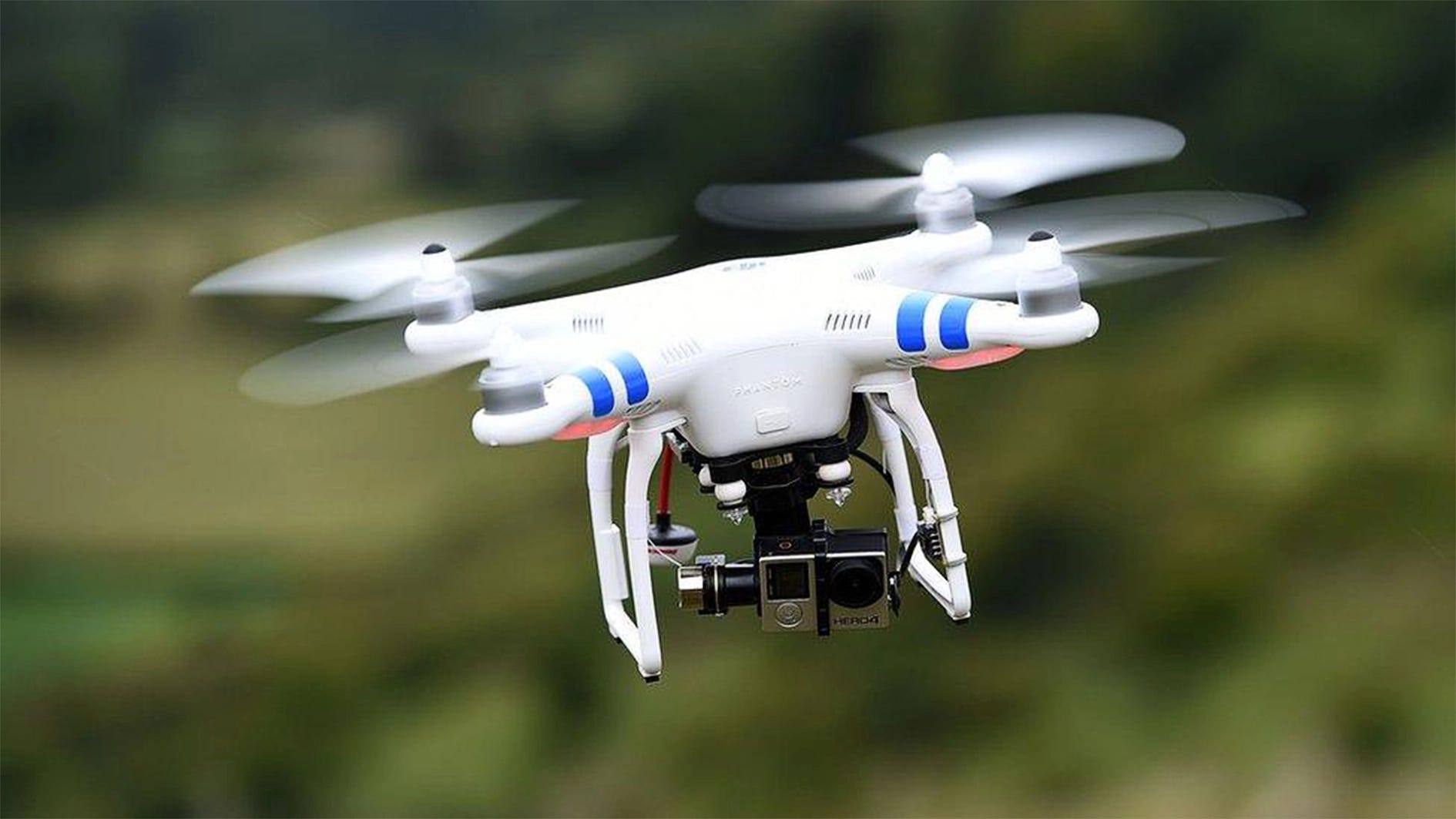
The National Boundary Commission (NBC) is deploying unmanned aerial vehicles and satellite imagery. The technology will monitor remote border corridors. The Director-General, Adamu Adaji, confirmed the deployment. The goal is to improve national boundary security.
Nigeria shares borders with four countries: Benin, Niger, Chad and Cameroon. The borders stretch over 4,000 kilometres. Many sections are remote and unmarked. Smuggling, banditry and irregular migration exploit the gaps. In 2019, Nigeria closed its land borders for months to curb smuggling. The closure disrupted trade. It did not solve the problem. The borders reopened. Smuggling resumed. Physical patrols are limited. The terrain is difficult. Vehicles cannot reach some areas. Drones and satellites offer a solution.
Adaji said the technology will monitor remote corridors. Drones provide real-time surveillance. Satellite imagery provides periodic coverage. Together they can detect movement, encroachment and illegal activity. The NBC can respond faster. It can also document violations. The data supports boundary demarcation and dispute resolution.
The deployment aligns with broader security efforts. The Nigeria Immigration Service uses technology at official crossings. The military uses drones in the northeast and northwest. The NBC’s initiative extends surveillance to ungoverned spaces. It addresses a gap that criminals exploit.
The challenges are practical. Drones need operators. They need power and maintenance. Satellite imagery needs analysts. The NBC must build capacity. It must also coordinate with other agencies. Duplication wastes resources. The data must be shared.
The border regions are sensitive. Communities live on both sides. Ethnic ties cross national lines. Surveillance must respect rights. It must not be used for harassment. The NBC must publish guidelines.
Winners: The NBC, which gains capability. Security agencies, which gain intelligence. Border communities, if security improves. The government, which demonstrates innovation. Losers: Smugglers and bandits, who face detection. Communities that depend on informal trade. The NBC, if the technology fails. Taxpayers, if the investment is mismanaged.
Bottom Line: Nigeria is deploying drones and satellites to monitor borders. The technology can improve security. It can also be misused. Capacity and guidelines matter. The borders are vast. Surveillance helps.