


Nigeria’s Centre for Disease Control and Prevention signed an interim public health advisory on 22 September requiring travellers from countries with active Ebola transmission to complete a Health Declaration Form.
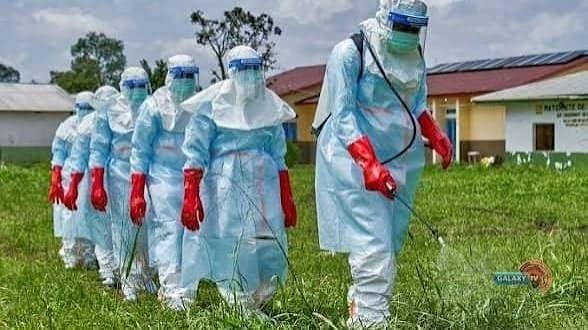
The decision followed a dynamic risk assessment and consultations with public health experts and the Federal Ministry of Health. Passengers from unaffected countries remain exempt.
The trigger is the Democratic Republic of the Congo’s expanding outbreak. As of 21 September 2026, the DRC recorded 7,773 confirmed Ebola cases and 3,759 deaths. The case fatality ratio stands at 48 per cent.
The outbreak, caused by the Bundibugyo virus, has spread to 63 health zones across seven provinces. Dungu Health Zone in Haut-Uélé Province is the latest area to report cases. The World Health Organization warned the geographical expansion raises concerns about further spread towards international borders.
This mirrors the 2014 West African outbreak, when delayed regional coordination allowed the virus to cross borders undetected. Nigeria’s swift activation of surveillance measures suggests the lesson was learnt. But surveillance is not containment.
The health declaration system collects travellers’ countries visited in the previous 21 days, travel routes, destination in Nigeria and health symptoms. The NCDC’s online form provides for 21-day post-arrival follow-up by state surveillance teams.
The International Organisation for Migration said on 22 September it was expanding disease surveillance along major travel routes, including river corridors and border areas. It has supported more than 33 million health screenings across the region.
The NCDC urged Nigerians to remain vigilant for symptoms consistent with Ebola and to disclose relevant travel or exposure history to health workers.
Winners: The NCDC, which has demonstrated proactive risk assessment. Travellers from unaffected countries, who face no additional screening. Losers: Travellers from affected countries, who face delays. Border communities, which bear the immediate burden of expanded surveillance. State health teams, which must conduct follow-ups without additional funding.
Bottom Line: Nigeria has activated its surveillance machinery. Whether it can sustain the follow-up regime for 21 days per traveller remains the real test.